
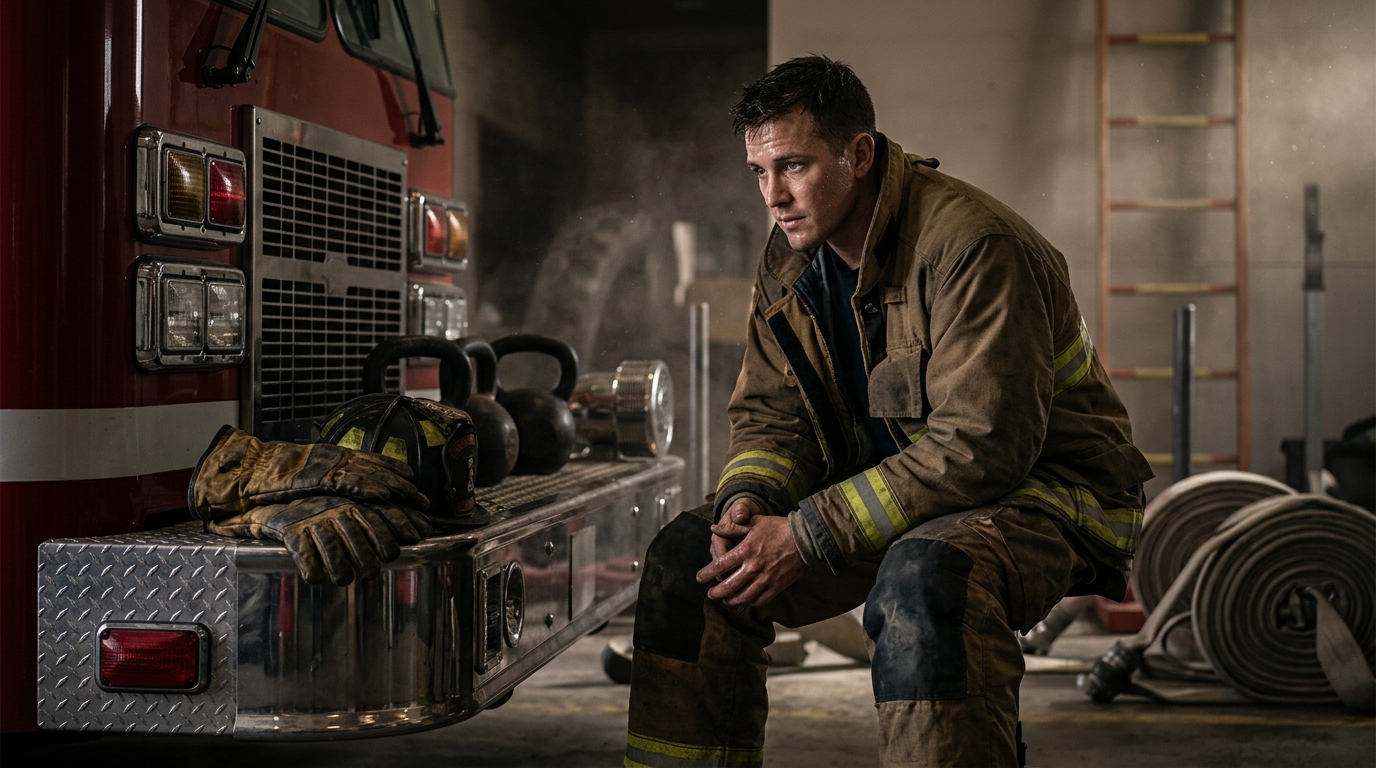
Firefighting remains one of the most physically demanding professions in the world. According to the National Institute for Occupational Safety and Health, firefighters face a significantly higher risk of line-of-duty injuries compared to other first responders. This statistic underscores why generic gym routines are insufficient for those who wear the badge. You need a training system that mirrors the chaotic, heavy-load demands of the job while protecting your joints and longevity. This guide breaks down the essential criteria for selecting a program that keeps you fit for duty and fit for life.
Functional Strength vs. Aesthetic Goals
When you are dragging a 100-pound hose up three flights of stairs, muscle size matters less than muscle function. Many traditional bodybuilding programs focus on isolation movements that look good in a mirror but do not translate to the fireground. Functional fitness is the ability to perform daily tasks with efficiency and without injury. For firefighters, this means training compound movements that engage multiple muscle groups simultaneously.
Look for programs that prioritize kettlebells, barbells, and bodyweight movements over machines. Kettlebell training, for instance, is widely recognized for improving grip strength and posterior chain power, both of which are critical for lifting victims and equipment. A program that ignores these functional bases will leave you underprepared for the unpredictable nature of emergency response.
Schedule Flexibility and Shift Work
Firefighters often work 24-hour shifts, followed by days off, or rotating schedules that disrupt circadian rhythms. A rigid training program that requires you to be at a gym at 6 AM on weekdays will fail when you are on night shift. The best fitness programs for first responders offer asynchronous access to workouts. This allows you to train when your body is ready, not when a calendar dictates.
Online coaching platforms have revolutionized this space by providing structured plans that adapt to your availability. You should seek a provider that offers digital access to their online coaching program. This ensures that no matter where you are, your training plan is always accessible and tailored to your current physical state.
CPAT and Physical Ability Testing
For those looking to enter the profession or maintain their certification, the Candidate Physical Ability Test (CPAT) is the gold standard. This test includes a stair climb, hose drag, equipment carry, forcible entry, rescue drag, and clock knot tie. Generic fitness programs rarely simulate these specific movements. CPAT readiness requires sport-specific conditioning that mimics the exact energy systems used during the test.
Ensure the program you choose includes specific drills for these events. For example, the hose drag requires immense grip and shoulder endurance. A specialized 4-week functional first responder training program can help you build the specific stamina needed to pass these tests with confidence. Without this specificity, you risk failing the test due to fatigue in a single event, despite being generally fit.
Equipment Accessibility and Home Gyms
Fire stations are not fully equipped gyms. You need a program that can be executed in a station garage, a home gym, or a minimalistic setup. If a program requires a full commercial gym with specialized machines, it becomes impractical for daily use. Kettlebells are particularly valuable because they are portable and versatile. They allow you to perform swings, cleans, and presses in a small footprint.
Consider programs that emphasize kettlebell foundations. This approach minimizes the need for expensive equipment while maximizing functional output. You can start with a free kettlebell foundations program to understand the basics before committing to a larger system. This low-barrier entry allows you to test the methodology without financial risk.
Coach Expertise in First Responder Health
Not all personal trainers understand the unique physiological stressors of firefighting. Chronic stress, exposure to toxins, and irregular sleep patterns affect recovery and performance. A coach who specializes in first responder health understands these nuances. They can adjust training loads based on your recent call volume and stress levels. This personalized approach prevents overtraining and burnout.
When evaluating coaches, look for testimonials from other firefighters. Real results from peers provide insight into the coach's ability to connect and deliver. For instance, many firefighters have reported significant weight loss and improved confidence through specialized coaching. You can read more about these real people and real results to gauge the effectiveness of the coaching style.
Injury Prevention and Recovery
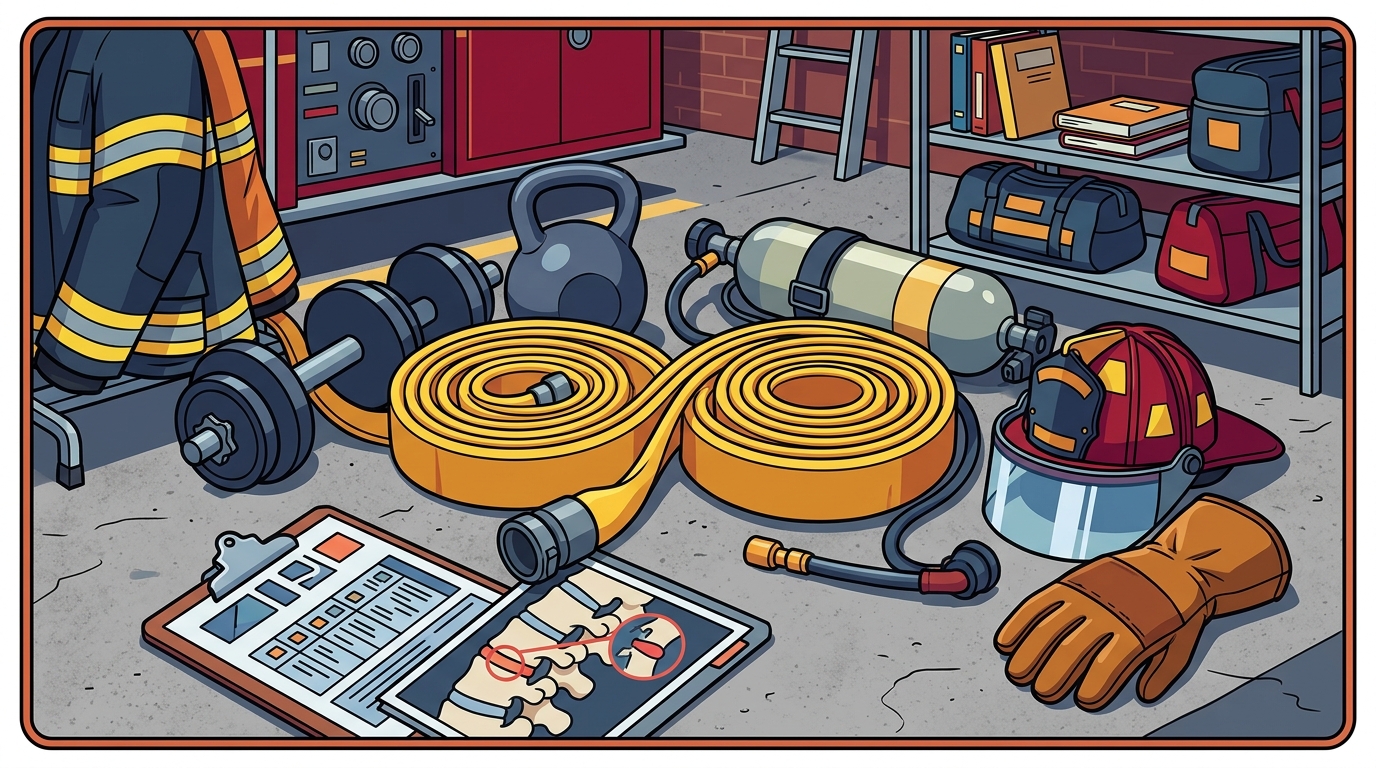
Firefighting is hard on the body. Lower back injuries are among the most common line-of-duty injuries. A good fitness program must include mobility work and core stabilization exercises to counteract the effects of wearing heavy gear. Injury prevention is not just about avoiding pain; it is about extending your career longevity.
Look for programs that integrate recovery protocols. This might include dynamic warm-ups, cool-down stretches, and advice on nutrition for inflammation management. A holistic approach ensures that you are not just getting stronger, but also more resilient. Avoid programs that only focus on high-intensity output without addressing the structural integrity of your body.
Comparing Program Options
Choosing the right path depends on your current fitness level, budget, and goals. Below is a comparison of common program types available to first responders.
| Program Type | Best For | Cost Estimate | Flexibility |
|---|---|---|---|
| Online Coaching | Personalized feedback and accountability | $150-$300/month | High |
| Self-Guided Digital Plans | Budget-conscious individuals | $50-$100 one-time | Medium |
| In-Person Specialized Gyms | Those who prefer gym atmosphere | $100-$200/month | Low |
| Free Foundation Courses | Beginners testing the waters | Free | High |
Online coaching often provides the best balance of cost and personalization. It allows for direct communication with a coach who understands your specific challenges. Self-guided plans are excellent for those who are highly disciplined and need only a roadmap. Free courses are a great starting point to understand the basics of kettlebell work.
Key Takeaways
- Functional fitness prioritizes movement patterns over muscle isolation for better fireground performance.
- Shift work requires asynchronous training options that fit your irregular schedule.
- CPAT preparation must include specific drills for hose drags, stair climbs, and rescue drags.
- Kettlebells offer a portable, effective tool for building grip and posterior chain strength.
- Coach expertise in first responder health is critical for managing chronic stress and recovery.
- Injury prevention strategies must address lower back health and gear-wearing mechanics.
- Online coaching provides personalized accountability and adapts to your unique physiological needs.
Frequently Asked Questions
How often should firefighters train?
Most experts recommend training 3 to 4 times per week. This frequency allows for sufficient stimulus while providing adequate recovery time. Consistency is more important than intensity in the long run.
Is kettlebell training safe for firefighters?
Yes, when taught correctly. Kettlebell training improves grip strength and core stability, which are essential for firefighting. Start with a free kettlebell foundations program to learn proper form.
What is the CPAT and why is it important?
The Candidate Physical Ability Test is a standardized exam used by most fire departments to assess physical readiness. Passing it is often a prerequisite for hiring.
Can I train at home without a gym?
Absolutely. Many effective programs, such as the 4-week functional first responder training program, are designed for home or station garage use with minimal equipment.
How do I choose between online coaching and self-guided plans?
Choose online coaching if you need accountability and personalized adjustments. Choose self-guided plans if you are highly disciplined and prefer a lower cost. You can explore online coaching options to see which fits your lifestyle.
Does fitness training help with mental health?
Yes. Physical activity reduces stress hormones and improves sleep quality. For first responders, this is crucial for managing the psychological toll of the job.
What are the most common injuries in firefighting?
Lower back injuries, knee issues, and shoulder strains are the most common. A program focused on injury prevention and mobility can significantly reduce these risks.
Ready to Transform Your Fitness?
Choosing the right fitness program is a critical decision for your career and personal health. Do not settle for generic advice. Take the first step toward a stronger, more resilient you. Apply for coaching today and join the community of first responders who have transformed their lives. Visit everydayheroesfitness.com to get started.