
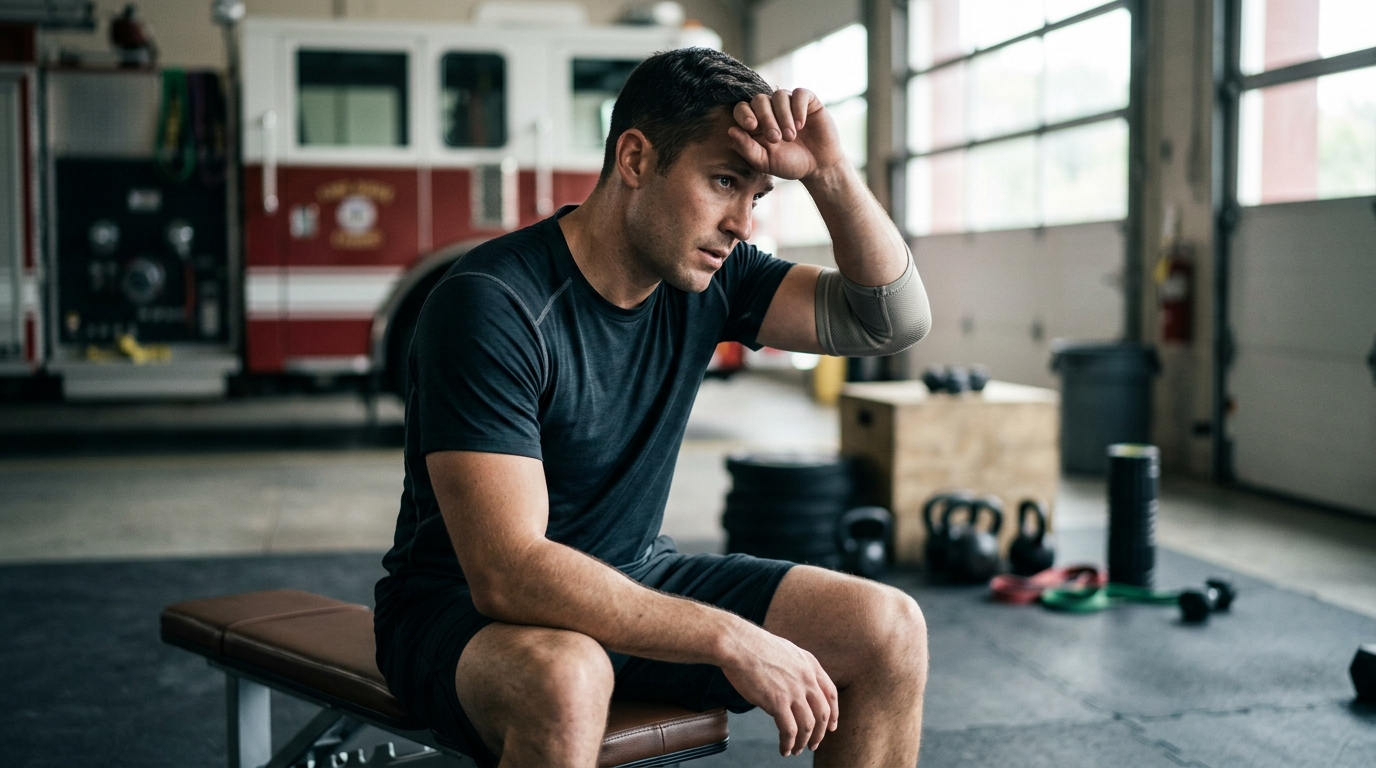
Chronic pain and physical degradation are unfortunately standard parts of the firefighting profession. According to a 2024 report by the National Institute for Occupational Safety and Health (NIOSH), over 70% of firefighters suffer from work-related musculoskeletal injuries during their careers. This statistic highlights a critical gap in traditional training. Most standard fitness programs fail to address the unique biomechanical stresses of carrying heavy gear, dragging hoses, and climbing ladders. This guide explores how specialized functional fitness programs bridge that gap, helping first responders recover from past injuries while building the resilience needed for modern firefighting demands.
Understanding Functional Fitness for First Responders
Functional fitness is not just a buzzword; it is a physiological necessity for those who wear the badge. Functional fitness is a training approach that prepares the body for real-world movements rather than isolated muscle groups. For firefighters, this means training the kinetic chain to handle uneven loads, rotational forces, and sustained endurance under fatigue.
Traditional bodybuilding routines often neglect the posterior chain and core stability, which are critical for preventing lower back injuries. When a firefighter bends to lift a victim or drags a charged hose, the body must act as a single unit. If the core is weak or the hips are tight, the spine takes the load. This is where specialized programs diverge from generic gym routines.
Everyday Heroes Fitness focuses on this exact principle. By targeting the specific demands of the job, we help firefighters regain the strength they lost during their probationary years. This approach does not just mask pain; it addresses the root cause of mechanical dysfunction. Many of our clients report that after just a few weeks of consistent functional training, their chronic back pain begins to subside as their body learns to move correctly again.
The Role of Kettlebell Training in Recovery
Among the various tools available for rehabilitation and strength building, the kettlebell stands out as the premier instrument for first responders. Kettlebell training is a dynamic resistance method that utilizes an offset center of gravity to build grip strength, core stability, and explosive power simultaneously. Unlike dumbbells, the kettlebell forces the body to stabilize itself, engaging deeper muscle fibers that are often dormant in sedentary firefighters.
Our Firefighter Kettlebell Foundations program is designed to introduce these movements safely. We start with the basics, ensuring that every firefighter understands how to hinge at the hips rather than the lower back. This simple shift in mechanics can prevent thousands of dollars in medical bills and lost duty days.
The beauty of kettlebell training lies in its scalability. Whether you are recovering from a minor shoulder strain or preparing for the physical demands of a career change, the load can be adjusted to match your current capacity. This makes it an ideal tool for progressive overload, a key component of injury recovery. As your body adapts, you increase the weight or complexity of the movement, ensuring continuous improvement without overtraining.
Preparing for the CPAT with Injury Prevention
The Candidate Physical Ability Test (CPAT) is the gatekeeper for most firefighting careers. However, many candidates fail not because they lack strength, but because they lack the specific endurance required for the test events. The CPAT is a standardized physical assessment that evaluates a candidate's ability to perform essential firefighting tasks under time constraints. It includes events like the stair climb, hose drag, and forcible entry, all of which place immense stress on the cardiovascular and musculoskeletal systems.
Training for the CPAT requires more than just bench pressing. It requires simulating the fatigue of a fire scene. Our 4-Week Functional First Responder Training Program is built around this reality. We integrate cardio intervals with strength movements to mimic the heart rate spikes and recovery periods experienced on the fireground.
For those recovering from injuries, the CPAT can seem daunting. However, a structured recovery program ensures that you do not enter the test with a fresh injury. By strengthening the joints and tendons through controlled, progressive loading, you build the durability needed to pass the CPAT and survive the first year of service. Many of our alumni have used this program to transition from volunteer roles to full-time positions, citing their physical readiness as a key factor in their success.
Benefits of Specialized Online Coaching
One of the biggest challenges for firefighters is finding a trainer who understands the job. A generic personal trainer may not know why a firefighter needs to train for rotational power or how to manage the load of a self-contained breathing apparatus (SCBA). Specialized online coaching provides personalized guidance tailored to the unique physical demands of first responder work.
Our Online Coaching Program offers more than just a workout plan. It provides accountability, form correction, and a community of peers who understand the lifestyle. Firefighters often work irregular shifts, making consistent gym attendance difficult. Online coaching allows you to train anywhere, at any time, while still receiving expert feedback.
Testimonials from our community highlight the transformative power of this approach. Clients like Zach and Nathan have shared how coaching helped them lose significant weight and regain their confidence. These results are not accidental. They are the product of a systematic approach that prioritizes long-term health over short-term gains. By working with a coach who specializes in first responder fitness, you avoid the trial-and-error phase that leads to burnout and injury.
Comparing Recovery vs. Performance Programs
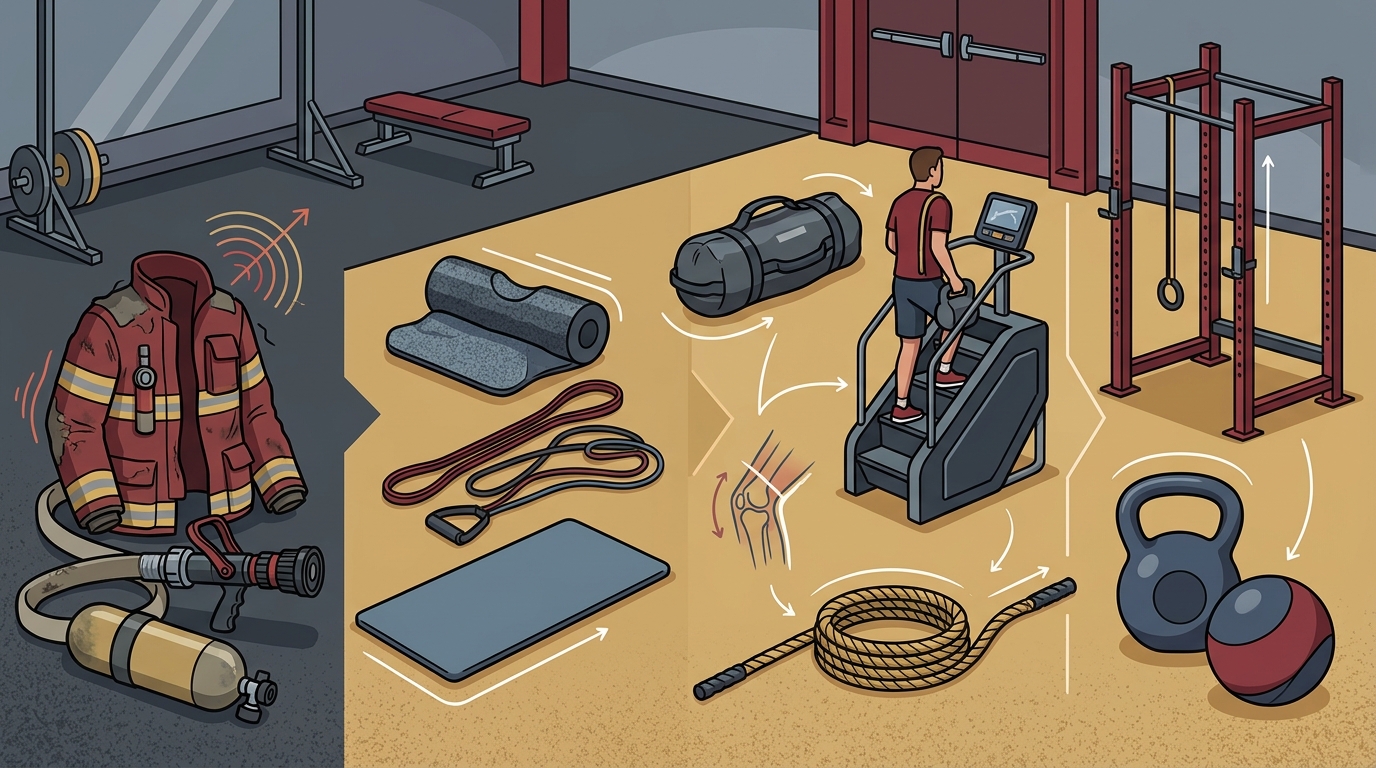
Understanding the difference between rehabilitation-focused training and performance-focused training is crucial for your journey. While they overlap, their primary objectives differ. The table below outlines the key distinctions.
| Feature | Recovery-Focused Program | Performance-Focused Program |
|---|---|---|
| Primary Goal | Reduce pain and restore mobility | Maximize strength and CPAT scores |
| Load Intensity | Low to Moderate | High to Very High |
| Key Exercises | Corrective movements, kettlebell foundations | Heavy compound lifts, high-intensity intervals |
| Target Audience | Those with chronic pain or recent injuries | Active firefighters or CPAT candidates |
| Outcome | Long-term durability and pain-free living | Peak physical performance and career readiness |
Many firefighters start with a recovery program and transition to performance training as their body adapts. This phased approach ensures that the foundation is solid before adding heavy loads. Our 4-Week Functional First Responder Training Program serves as an excellent bridge between these two phases, introducing functional movements in a structured, time-bound format.
Key Takeaways
- High Injury Rates: Over 70% of firefighters suffer work-related musculoskeletal injuries, necessitating specialized recovery protocols.
- Functional Over Isolation: Functional fitness prepares the body for real-world tasks, unlike traditional bodybuilding routines.
- Kettlebell Utility: Kettlebell training builds grip strength and core stability, essential for handling heavy gear.
- CPAT Specificity: Passing the CPAT requires simulating fireground fatigue, not just raw strength.
- Coaching Impact: Specialized online coaching provides accountability and job-specific guidance that generic trainers cannot offer.
- Phased Training: Starting with recovery and moving to performance ensures long-term durability and career longevity.
- Community Support: Joining a community of first responders enhances motivation and provides shared understanding of the profession's demands.
Frequently Asked Questions
How long does it take to recover from a firefighter injury?
Recovery timelines vary based on the severity of the injury and the individual's adherence to the program. However, most clients begin to notice significant pain reduction within 4 to 6 weeks of starting a structured functional fitness program. Consistency is key to ensuring that the recovery is permanent and not just temporary relief.
Can I do the kettlebell program if I have back pain?
Yes, but it must be approached correctly. Our Firefighter Kettlebell Foundations program emphasizes proper hip hinging and core engagement to protect the lower back. We start with light loads and focus on form before increasing intensity. If you have acute pain, consult a medical professional before starting any new exercise regimen.
What is the difference between the 4-week program and online coaching?
The 4-Week Functional First Responder Training Program is a self-guided course designed to introduce you to functional movements. Online coaching provides personalized feedback, custom adjustments, and ongoing support from a coach who understands your specific needs and goals.
Is online coaching effective for firefighters with irregular shifts?
Absolutely. Online coaching is designed for flexibility. You can complete workouts at any time that fits your schedule, whether you are working a 24-hour shift or a standard day. The coach monitors your progress remotely and adjusts the plan as needed, ensuring you stay on track regardless of your work hours.
How does functional fitness help with CPAT preparation?
Functional fitness trains the muscles and energy systems used in the CPAT events. By practicing movements that mimic the stair climb, hose drag, and forcible entry, you build the specific endurance and strength required to pass the test. This reduces the risk of injury during the test and improves your overall performance.
Do I need gym equipment for these programs?
Our programs are designed to be adaptable. While access to kettlebells and a gym is ideal, many exercises can be modified for home use with minimal equipment. The focus is on movement quality and functional strength, which can be achieved with various tools.
What makes Everyday Heroes Fitness different from other gyms?
We specialize exclusively in first responder fitness. Our coaches understand the unique physical demands of firefighting and EMS work. This specialization allows us to create programs that directly address the injuries and challenges faced by our clients, leading to faster and more sustainable results.
Start Your Recovery Journey
Your career depends on your physical health. Do not let injury or poor fitness derail your passion for serving your community. Whether you are looking to recover from a past injury, prepare for the CPAT, or simply feel better in your gear, Everyday Heroes Fitness has the solution. Join the community of first responders who have transformed their bodies and their lives. Apply for our Online Coaching Program today and take the first step toward a stronger, healthier future.