
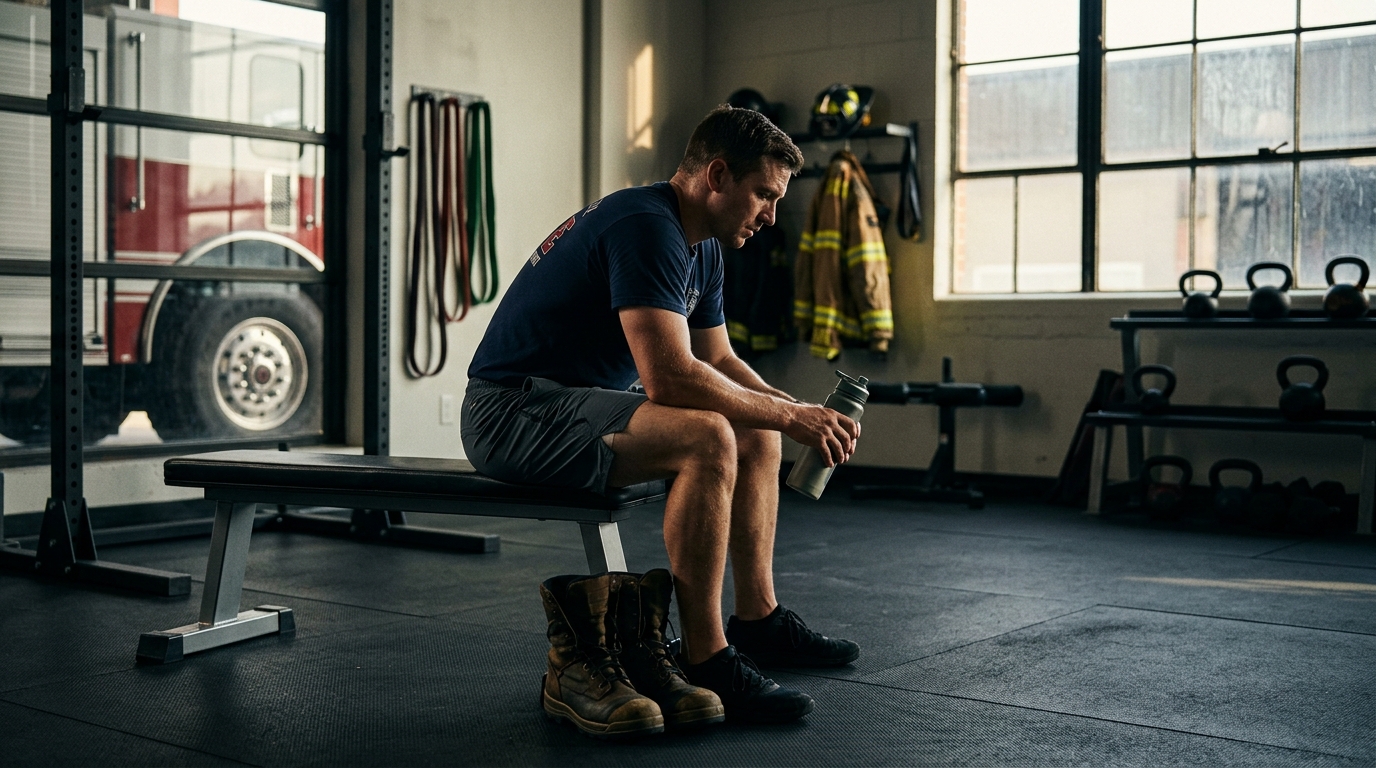
Firefighting demands a unique physiological profile that standard gym routines simply cannot replicate. According to recent occupational health data, first responders face a significantly higher risk of cardiovascular events compared to the general population, making specialized conditioning critical for both career longevity and daily safety. This guide explains how to identify and join a fitness program built specifically for the functional demands of the job.
Understanding Functional Fitness for First Responders
Functional fitness is defined as a training approach that prepares the body for real-world physical tasks rather than isolating specific muscles for aesthetic purposes. For firefighters, this means training the kinetic chain to handle heavy loads, awkward movements, and sustained high-intensity efforts. Standard bodybuilding routines often fail to address the multi-planar demands of dragging hoses, climbing ladders, or performing rescues.
The core philosophy behind specialized first responder training is "fit for duty, fit for life." This dual focus ensures that athletes not only pass physical ability tests but also maintain long-term joint health and cardiovascular resilience. The goal is to build a body that can withstand the unpredictable stresses of emergency scenes without breaking down.
Key Features of a Tailored Program
When searching for the right program, you must look for specific structural elements that align with fire service operations. A high-quality program will include the following components:
1. CPAT Preparation Integration
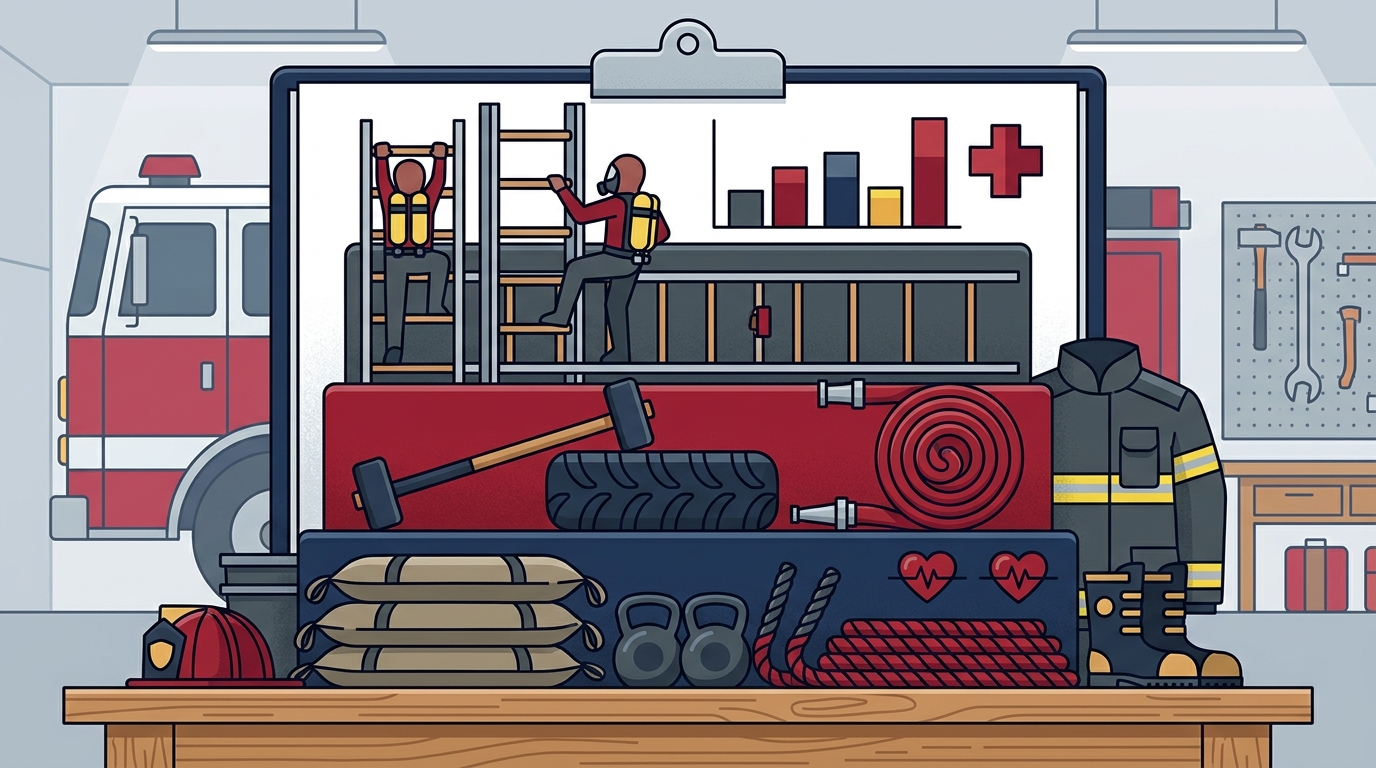
The Candidate Physical Ability Test (CPAT) is the gold standard for hiring and promotion. A tailored program must simulate CPAT events, such as the stair climb, hose drag, and forcible entry. Training should mimic the anaerobic bursts required for these tasks, rather than focusing solely on steady-state cardio.
2. Kettlebell and Tool-Based Training
Kettlebell training is widely recognized as one of the most effective methods for building functional strength. The offset center of gravity in a kettlebell forces the core and stabilizer muscles to work harder than with dumbbells. This translates directly to handling heavy, awkward equipment on the fireground.
3. Mobility and Injury Prevention
First responders suffer from high rates of lower back and shoulder injuries. A proper program integrates mobility work to counteract the effects of wearing heavy turnout gear and carrying self-contained breathing apparatus (SCBA). This proactive approach reduces downtime and keeps firefighters on the line.
Comparing Program Types
Not all fitness programs are created equal. Below is a comparison of the most common training models available to first responders to help you choose the right fit.
| Program Type | Best For | Pros | Cons |
|---|---|---|---|
| Online Coaching | Busy schedules, personalized feedback | Customized plans, direct coach access | Requires self-discipline |
| 4-Week Functional Program | Quick start, foundational strength | Structured, time-efficient, results-driven | Limited long-term progression |
| Kettlebell Foundations | Beginners, tool mastery | Low barrier to entry, high functional value | Requires equipment purchase |
| Traditional Gym | General health, budget constraints | Accessible, low cost | Not specific to fire service demands |
While traditional gyms offer accessibility, they rarely provide the specific programming needed for fire service readiness. Specialized programs like the 4-Week Functional First Responder Training Program are designed to deliver rapid results by focusing exclusively on the movements that matter most to your career.
Evaluating Your Coach and Methodology
The person guiding your training is just as important as the program itself. You need a coach who understands the unique physiology of first responders. Look for credentials in strength and conditioning, specifically those with experience working with public safety professionals.
Effective coaching involves more than just assigning exercises. It requires accountability, nutritional guidance, and mental preparation strategies. Many firefighters struggle with the mental aspect of training after long shifts or traumatic calls. A good coach helps bridge the gap between physical capability and mental resilience.
Consider the success stories of past clients. Programs that have helped 1,000+ first responders regain their strength and confidence demonstrate a proven system. Testimonials often highlight weight loss, improved CPAT scores, and reduced chronic pain, which are key indicators of program efficacy.
Overcoming Common Training Challenges
Firefighters face unique barriers to fitness. Irregular shift schedules, high stress levels, and physical fatigue can make consistency difficult. Here is how to overcome these hurdles:
- Time Management: Opt for shorter, high-intensity workouts. A 4-day kettlebell plan can provide sufficient stimulus without consuming your entire day.
- Motivation: Join a community of peers. Training with other first responders creates a shared understanding of the demands and keeps you accountable.
- Recovery: Prioritize sleep and nutrition. Fitness is built in the kitchen and during rest. Without adequate recovery, even the best program will fail.
Research indicates that first responders who engage in regular functional fitness training report higher job satisfaction and lower rates of burnout. The physical benefits are clear, but the mental health advantages are equally significant. Feeling strong and capable translates to confidence on the fireground.
Key Takeaways
- Functional fitness focuses on real-world movements rather than isolated muscle groups.
- First responders have a higher risk of cardiovascular issues, making specialized training essential.
- Kettlebell training is highly effective for building the strength needed for heavy equipment.
- CPAT preparation must be integrated into your routine to ensure hiring success.
- Online coaching offers personalized feedback for busy shift workers.
- Community support is crucial for maintaining long-term motivation.
- Everyday Heroes Fitness has helped over 1,000 first responders transform their health.
Frequently Asked Questions
What is the best type of exercise for firefighters?
Functional strength training using kettlebells, sandbags, and bodyweight movements is considered the most effective. These tools mimic the awkward loads and multi-planar movements encountered on the fireground.
How can I prepare for the CPAT?
You must train specifically for the CPAT events. This includes practicing the stair climb, hose drag, and forcible entry with proper technique. A specialized 4-week program can help you build the specific endurance needed.
Is online coaching effective for firefighters?
Yes, online coaching is highly effective for first responders who have irregular schedules. It allows for personalized programming that fits around shift work while providing direct access to a coach for feedback and adjustments.
What is the role of kettlebells in firefighter training?
Kettlebells are used to develop explosive power and core stability. The offset weight forces the body to stabilize itself, which translates directly to handling heavy hoses and equipment safely.
How do I overcome lack of motivation?
Joining a community of like-minded first responders can significantly boost motivation. Shared goals and peer accountability help maintain consistency even during stressful periods.
Can I lose weight while training for the fire service?
Absolutely. Many programs combine strength training with nutritional guidance to facilitate fat loss. Losing weight improves mobility and reduces the strain on joints, making the job easier and safer.
What if I have chronic back pain?
Functional training often alleviates back pain by strengthening the core and improving movement patterns. However, it is important to work with a coach who can modify exercises to avoid aggravating existing injuries.
How long does it take to see results?
Most participants see noticeable improvements in strength and endurance within 4 to 8 weeks. Significant body composition changes and performance gains typically occur after 12 weeks of consistent training.
Start Your Transformation
Don't let your fitness decline impact your career or your life. Join the community of first responders who have regained their strength and confidence through specialized training. Whether you need a quick start with the FREE Kettlebell Foundations Program or long-term online coaching, Everyday Heroes Fitness is here to support your journey. Apply for coaching today and take the first step toward being fit for duty and fit for life.