
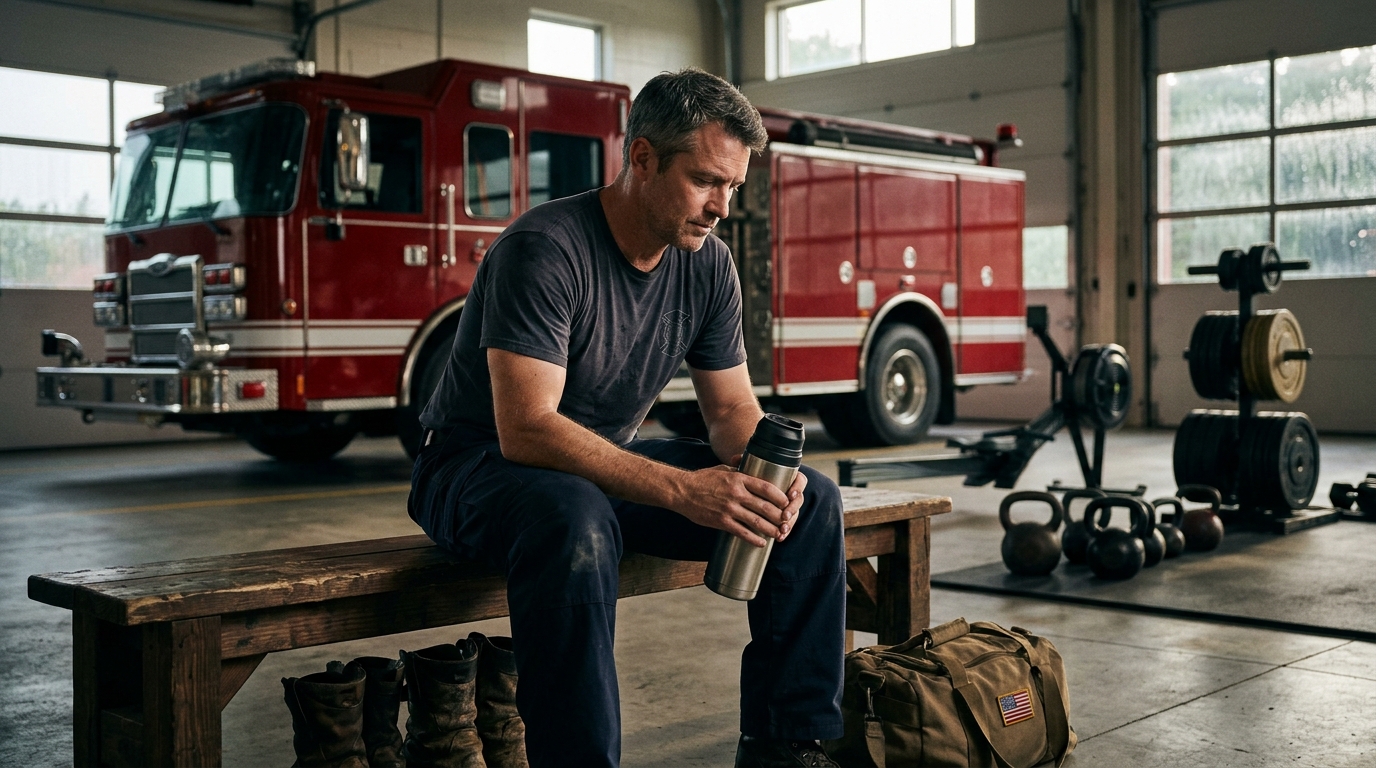
Functional fitness for first responders is no longer a luxury, it is a professional necessity. According to recent industry data, over 6,000 firefighters have utilized specialized training systems to regain their physical edge and confidence. This statistic highlights a massive shift in how the fire service approaches physical readiness. The traditional gym routine simply does not account for the erratic, heavy-load demands of emergency response. You need a system that bridges the gap between gym strength and job performance.
Why Functional Movement Matters
Firefighting is inherently functional. It involves dragging hoses, carrying victims, and climbing ladders while wearing heavy protective gear. A program that focuses solely on aesthetics, like bodybuilding, will not prepare you for these tasks. Functional fitness is the practice of training movements rather than isolated muscles to improve performance in daily activities.
When evaluating a program, look for exercises that mimic the demands of the job. Compound movements such as kettlebell swings, deadlifts, and farmer carries build the posterior chain strength required for lifting and carrying. If a program ignores these core components, it is likely not designed for first responders. The goal is to build strength that translates directly to the fireground.
Everyday Heroes Fitness emphasizes this exact principle. Their approach ensures that every rep you complete contributes to your ability to perform on shift. This specificity is what separates a generic fitness plan from a professional tool. You must prioritize programs that explicitly state their relevance to first responder duties.
Schedule Flexibility and Shift Work
The life of a firefighter is defined by unpredictability. You might have a quiet day followed by a 24-hour shift that leaves you exhausted. A rigid program that requires you to be at a gym at 6:00 AM will fail you when you are on night shift. Shift work fitness is the adaptation of training schedules to accommodate irregular hours and high-stress environments.
Look for online coaching or digital programs that offer flexibility. You need the ability to swap workouts or adjust intensity based on your current energy levels. A good program provides clear guidelines for what to do when you are tired, and what to do when you have extra time. This adaptability prevents burnout and keeps you consistent over the long term.
Programs like the 4-Week Functional First Responder Training Program are designed with this reality in mind. They offer structured yet adaptable frameworks that fit into your life, not the other way around. This flexibility is crucial for maintaining progress during busy seasons.
Equipment Accessibility and Portability
Not every fire station has a fully equipped gym. Some stations have minimal space, while others have none at all. A program that requires expensive, specialized machines is impractical for many firefighters. Minimalist fitness is the methodology of achieving maximum results using limited or portable equipment.
Kettlebells are the gold standard for firefighter fitness. They are durable, portable, and highly effective for building functional strength. A program that centers around kettlebell training allows you to train anywhere, whether you are at the station, at home, or even on deployment. This portability ensures that you never miss a workout due to lack of facilities.
Consider the Firefighter Kettlebell Foundations program if you want to master this essential tool. It provides a free, four-day plan that unlocks the potential of the kettlebell. This approach ensures that you can build strength without relying on a commercial gym membership.
Accountability and Coaching Support
Self-motivation is difficult, especially when you are dealing with the stress of the job. Many firefighters struggle to find the drive to train after a long shift. This is where professional coaching becomes invaluable. Coached fitness is the practice of receiving personalized guidance and feedback to ensure proper form and progress.
Online coaching programs offer a level of support that generic apps cannot match. A real coach can adjust your plan based on your feedback, answer your questions, and keep you accountable. This human element is critical for long-term success. You are not just buying a PDF; you are buying a partnership.
Everyday Heroes Fitness offers an Online Coaching Program specifically built for firefighters. Testimonials from clients like Zach and Nathan highlight the life-changing impact of having a coach who understands the unique stressors of the job. This support system helps you stay on track even when motivation wanes.
Program Comparison Matrix
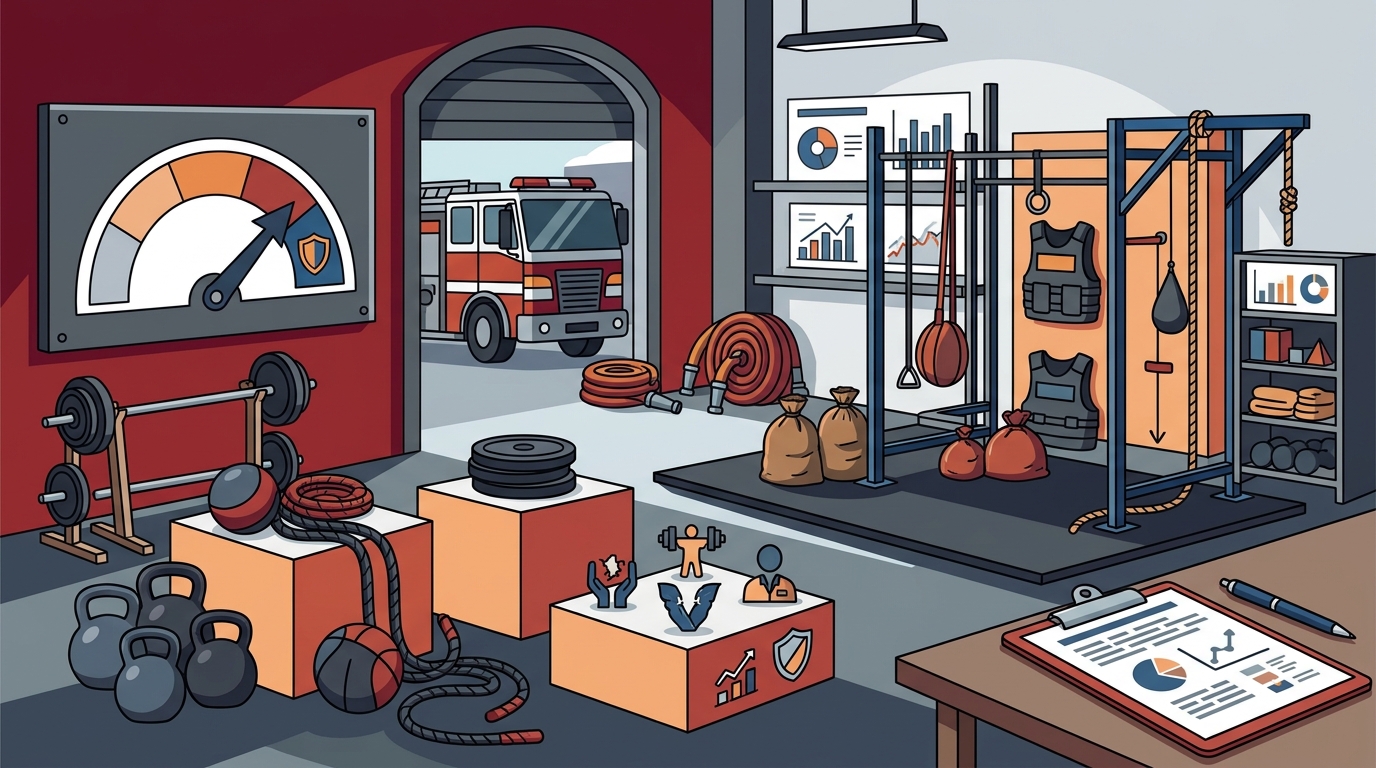
To help you make an informed decision, here is a comparison of common fitness approaches for firefighters. This table highlights the key differences in functionality, flexibility, and support.
| Program Type | Functional Relevance | Schedule Flexibility | Equipment Needs | Coaching Support |
|---|---|---|---|---|
| Generic Gym App | Low | Medium | Full Gym | None |
| Bodybuilding Split | Low | Low | Full Gym | Optional |
| Kettlebell Foundations | High | High | Minimal | Self-Guided |
| Specialized Coaching | Very High | High | Minimal to Full | High |
As shown in the table, specialized coaching offers the highest functional relevance and support. While kettlebell foundations are a great starting point, they lack the personalized feedback that coaching provides. For serious first responders, the investment in coaching often yields the best return on investment.
Key Takeaways
- Functional fitness prioritizes movements that mimic firefighting tasks, such as lifting and carrying.
- Shift work requires flexible training schedules that can adapt to unpredictable hours.
- Kettlebells are the most versatile tool for building functional strength with minimal equipment.
- Over 6,000 firefighters have used specialized programs to improve their performance and health.
- Professional coaching provides accountability and personalized adjustments that apps cannot match.
- Everyday Heroes Fitness offers a proven system built specifically for the demands of the job.
- Consistency is more important than intensity; choose a program you can stick to long-term.
Frequently Asked Questions
What is the best type of exercise for firefighters?
Compound movements that build posterior chain strength, such as deadlifts and kettlebell swings, are the most effective for firefighting tasks.
How often should a firefighter train?
Most specialized programs recommend three to four sessions per week, allowing for adequate recovery time between intense efforts.
Can I train effectively with just kettlebells?
Yes, kettlebells are considered the #1 tool for functional firefighter strength because they allow for full-body, high-intensity workouts.
What if I have limited time on shift days?
Look for programs that offer short, high-intensity workouts that can be completed in 30 minutes or less, such as the 4-Week Functional First Responder Training Program.
Is online coaching effective for firefighters?
Yes, online coaching provides personalized guidance and accountability, which is crucial for maintaining progress despite the challenges of shift work.
How do I know if a program is right for me?
Check if the program explicitly targets first responders and offers flexible scheduling options that fit your lifestyle.
What are the benefits of functional fitness?
Functional fitness improves your ability to perform job-related tasks safely and efficiently, reducing the risk of injury on the fireground.
Start Your Transformation
Choosing the right fitness program is a critical step in your career as a first responder. Do not settle for generic advice that does not understand your unique challenges. Join the community of over 1,000 first responders who have regained their strength and confidence through a proven system. Visit the Everyday Heroes Fitness homepage to apply for coaching or explore the free resources available. Your body is your most important tool, treat it with the respect it deserves.