
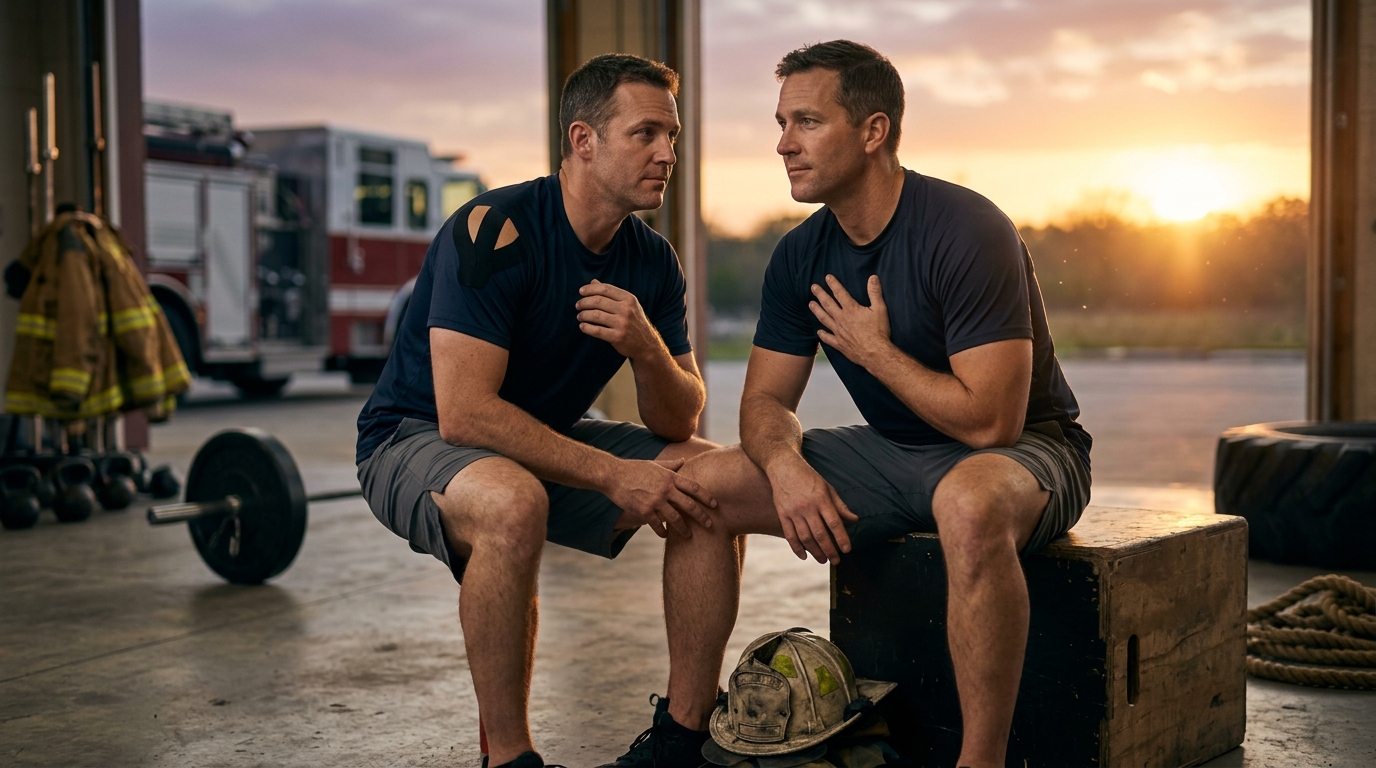
Chronic pain and physical degradation affect the vast majority of the fire service community. According to recent industry data, approximately 70% of firefighters report suffering from work-related injuries that impact their long-term health and career longevity. This statistic highlights a critical gap in traditional training models that often prioritize immediate performance over sustainable physical resilience. For first responders, the transition from active duty to recovery requires a specialized approach that addresses the unique biomechanical stresses of the job. This guide explores the most effective fitness programs designed to help firefighters heal, rebuild strength, and return to duty with renewed confidence.
Understanding the Firefighter Injury Landscape
Firefighting is inherently dangerous, but the physical toll extends beyond immediate trauma. Cumulative stress on the musculoskeletal system leads to chronic issues that often go untreated until they become debilitating. Functional fitness is the systematic approach to training that prepares the body for the unpredictable demands of real-world emergencies. Unlike traditional bodybuilding, which isolates muscles, functional fitness engages multiple muscle groups simultaneously, mimicking the movements required to drag hoses, carry victims, and climb ladders.
Recovery from injury requires more than just rest. It demands a strategic reintroduction to load and movement patterns that respect the body's current limitations while progressively building capacity. Programs tailored specifically for first responders recognize that a firefighter's body is their primary tool. When that tool is compromised, the entire operation suffers. This is why specialized recovery programs focus on correcting imbalances caused by heavy gear and repetitive strain.
Research indicates that targeted functional training can significantly reduce the risk of re-injury. By focusing on core stability, hip mobility, and posterior chain strength, firefighters can mitigate the common lower back and knee injuries prevalent in the profession. The goal is not just to heal, but to build a body that is more resilient than before the injury occurred.
The Functional First Responder Program
The Functional First Responder Program is a structured 4-week training protocol designed specifically for those who need to regain their physical edge quickly and safely. This program is built on the premise that first responders need strength that translates directly to their job tasks. It avoids complex, gym-centric exercises in favor of movements that simulate the physical demands of the fire service.
Participants in this program often report significant improvements in their ability to perform daily tasks without pain. The curriculum focuses on foundational movements that rebuild the kinetic chain. This includes proper lifting mechanics, rotational stability, and endurance conditioning that mimics the intensity of a fireground operation. The program is scalable, meaning it can be adjusted for individuals at different stages of recovery.
One of the key components of this program is its emphasis on consistency over intensity in the early stages. By establishing a baseline of movement quality, firefighters can safely progress to heavier loads without compromising their form. This approach has helped thousands of first responders regain their strength and confidence. The program is particularly effective for those who have been sidelined by injury and are unsure how to begin their return to fitness.
The program also addresses the mental aspect of recovery. Injury can lead to a loss of identity and confidence in one's physical abilities. By providing a clear, step-by-step roadmap, the Functional First Responder Program helps firefighters regain control over their physical health. This psychological boost is just as important as the physical gains.
Firefighter Kettlebell Foundations
Kettlebells are widely recognized as one of the most effective tools for developing functional strength. The Firefighter Kettlebell Foundations program leverages this tool to build a robust physique capable of withstanding the rigors of the job. This free 4-day plan is designed to introduce firefighters to the unique benefits of kettlebell training.
Kettlebell exercises engage the entire body in a coordinated manner, promoting balance and coordination. The offset center of mass of a kettlebell forces the stabilizer muscles to work harder than traditional dumbbells or barbells. This is crucial for firefighters who need to maintain stability while carrying heavy loads in unpredictable environments. The program focuses on fundamental movements such as swings, cleans, and squats.
Swings, in particular, are a cornerstone of kettlebell training. They develop explosive hip power, which is essential for lifting heavy objects quickly and safely. This movement pattern also improves cardiovascular endurance, allowing firefighters to maintain high output levels during prolonged operations. The program ensures that participants learn proper form to maximize benefits and minimize injury risk.
Another benefit of kettlebell training is its time efficiency. Firefighters often have irregular schedules, making it difficult to commit to long gym sessions. Kettlebell workouts can be completed in 20 to 30 minutes, providing a full-body stimulus in a fraction of the time. This makes it an ideal option for busy first responders who need to maintain their fitness levels without sacrificing their personal time.
The program also emphasizes the importance of mobility. Kettlebell movements require a high degree of joint mobility, particularly in the hips, shoulders, and ankles. By incorporating these movements into their routine, firefighters can improve their range of motion and reduce the risk of stiffness and injury. This is particularly important for those recovering from previous injuries that may have limited their mobility.
Benefits of Online Coaching for Recovery
Recovering from injury is a complex process that often requires professional guidance. Online coaching provides first responders with access to expert advice and personalized programming from the comfort of their homes. This model of training is particularly beneficial for those who live in remote areas or have limited access to specialized fitness facilities.
One of the primary advantages of online coaching is accountability. Working with a coach ensures that individuals stay on track with their recovery goals. Coaches provide regular check-ins, monitor progress, and adjust programming as needed to prevent plateaus or setbacks. This level of support is crucial for maintaining motivation during the often slow and frustrating process of injury recovery.
Personalized programming is another key benefit. Every firefighter's injury and recovery timeline is unique. Online coaches can tailor workouts to address specific limitations and weaknesses. This individualized approach ensures that individuals are working on the right movements at the right time, reducing the risk of re-injury. Coaches also provide education on proper form and technique, which is essential for safe and effective training.
Flexibility is also a major advantage of online coaching. First responders often work long and irregular hours, making it difficult to adhere to a fixed gym schedule. Online coaching allows individuals to train at times that suit their schedule, whether that is early in the morning or late at night. This flexibility makes it easier to maintain consistency, which is key to successful recovery.
Furthermore, online coaching communities provide a sense of camaraderie and support. Many coaches facilitate private groups where individuals can share their experiences, ask questions, and celebrate their victories. This sense of community can be incredibly motivating and helps individuals feel less isolated in their recovery journey. The shared experience of being a first responder creates a strong bond that transcends the digital platform.
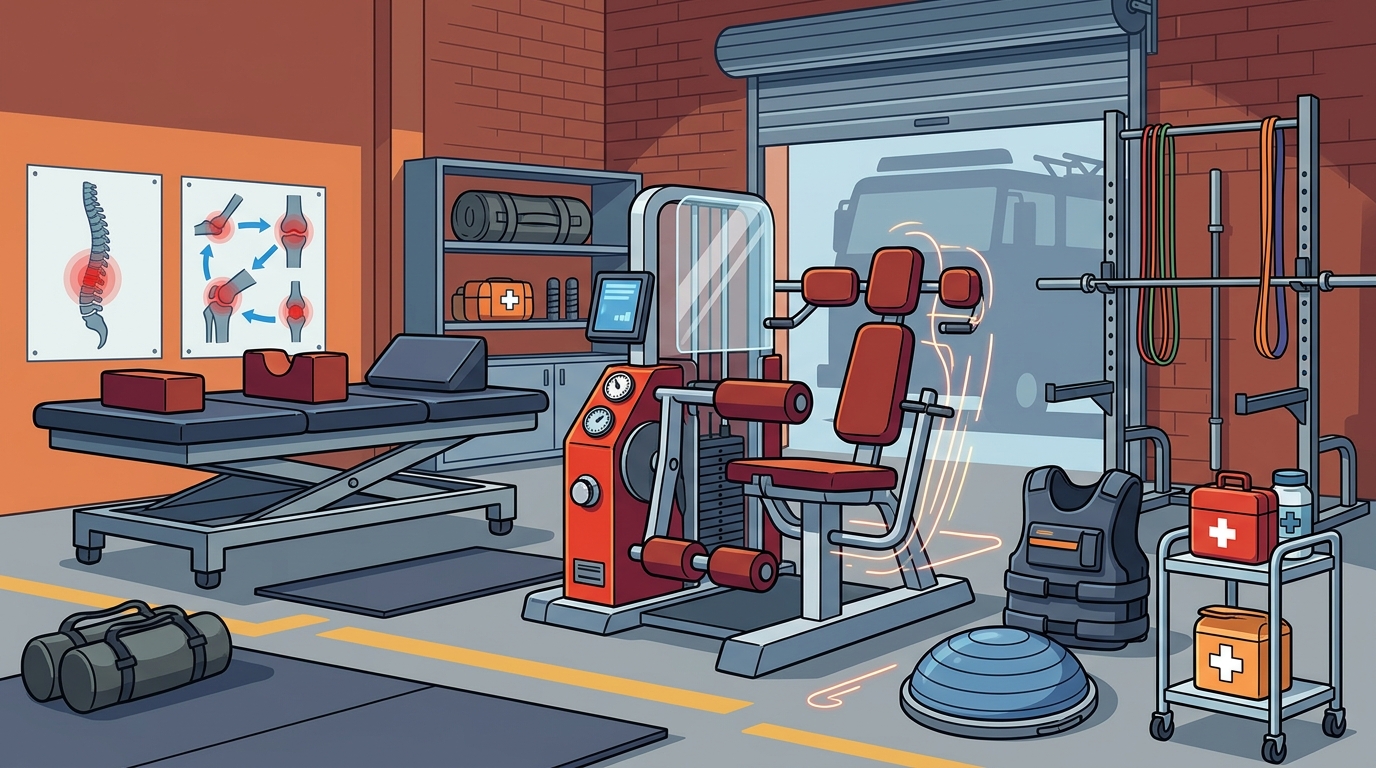
Comparing Recovery Program Options
Choosing the right fitness program for injury recovery depends on individual needs, goals, and current physical condition. Below is a comparison of the primary program types available to firefighters.
| Program Type | Best For | Key Benefit | Commitment Level |
|---|---|---|---|
| Functional First Responder Program | Regaining job-specific strength | Simulates fireground demands | 4 Weeks |
| Kettlebell Foundations | Building explosive power | Time-efficient full-body workout | 4 Days (Free Plan) |
| Online Coaching | Personalized recovery plans | Expert accountability and adaptation | Ongoing |
| Traditional Gym Training | General fitness maintenance | Access to wide equipment | Variable |
As shown in the table, each program offers distinct advantages. The Functional First Responder Program is ideal for those looking to quickly return to duty readiness. Kettlebell Foundations is perfect for those who want to build a strong foundation with minimal equipment. Online Coaching provides the highest level of personalization and support for complex recovery needs. Traditional gym training can be useful for general fitness but often lacks the specificity required for first responders.
It is important to note that these programs are not mutually exclusive. Many firefighters benefit from combining elements of each approach. For example, an individual might use the Kettlebell Foundations program to build strength while working with an online coach to address specific mobility issues. This integrated approach ensures a comprehensive recovery strategy.
Key Takeaways
- High Injury Prevalence: Approximately 70% of firefighters suffer from work-related injuries, underscoring the need for specialized recovery programs.
- Functional Fitness Importance: Training that mimics job demands is critical for preventing re-injury and maintaining operational readiness.
- Program Specificity: The Functional First Responder Program offers a targeted 4-week solution for regaining strength and confidence.
- Kettlebell Efficiency: The Firefighter Kettlebell Foundations program provides a time-efficient way to build explosive power and endurance.
- Coaching Accountability: Online coaching provides personalized programming and expert support, which are crucial for successful recovery.
- Scalable Solutions: Programs like the 4-week training plan are designed to be scalable, accommodating individuals at different stages of recovery.
- Mental Health Benefits: Structured fitness programs help restore confidence and identity, which are often impacted by injury.
Frequently Asked Questions
How long does it take to recover from a firefighter injury?
Recovery timelines vary significantly based on the type and severity of the injury. Minor strains may heal in a few weeks, while more serious injuries can take months. Consistent, guided rehabilitation is essential for a full recovery.
Can I do the Functional First Responder Program if I am currently injured?
Yes, the program is designed to be scalable. However, it is always recommended to consult with a healthcare provider before starting any new exercise program, especially if you have an existing injury.
What is the difference between functional fitness and traditional weightlifting?
Functional fitness focuses on movements that prepare the body for real-world tasks, engaging multiple muscle groups simultaneously. Traditional weightlifting often isolates specific muscles, which may not translate directly to job performance.
Is the Kettlebell Foundations program suitable for beginners?
Yes, the program is designed to introduce firefighters to kettlebell training with a focus on proper form and foundational movements. It is an excellent starting point for those new to this type of equipment.
How does online coaching help with injury recovery?
Online coaching provides personalized programming, expert accountability, and real-time adjustments to your workout plan. This ensures that you are training safely and effectively, which is crucial for injury recovery.
What are the most common injuries among firefighters?
Lower back pain, knee injuries, and shoulder strains are among the most common injuries. These are often caused by the repetitive lifting of heavy gear and the physical demands of fireground operations.
Do I need special equipment for these programs?
The Functional First Responder Program and Kettlebell Foundations require minimal equipment, primarily kettlebells and body weight. Online coaching programs can be adapted to various equipment levels.
Start Your Recovery Journey
Recovering from injury is not just about healing; it is about rebuilding a stronger, more resilient version of yourself. The programs outlined in this guide are designed to help first responders regain their strength, confidence, and drive. Whether you choose the 4-Week Functional First Responder Training Program, the Firefighter Kettlebell Foundations, or personalized Online Coaching, the first step is taking action. Visit Everyday Heroes Fitness today to apply for coaching and begin your path to a healthier, more capable future.