
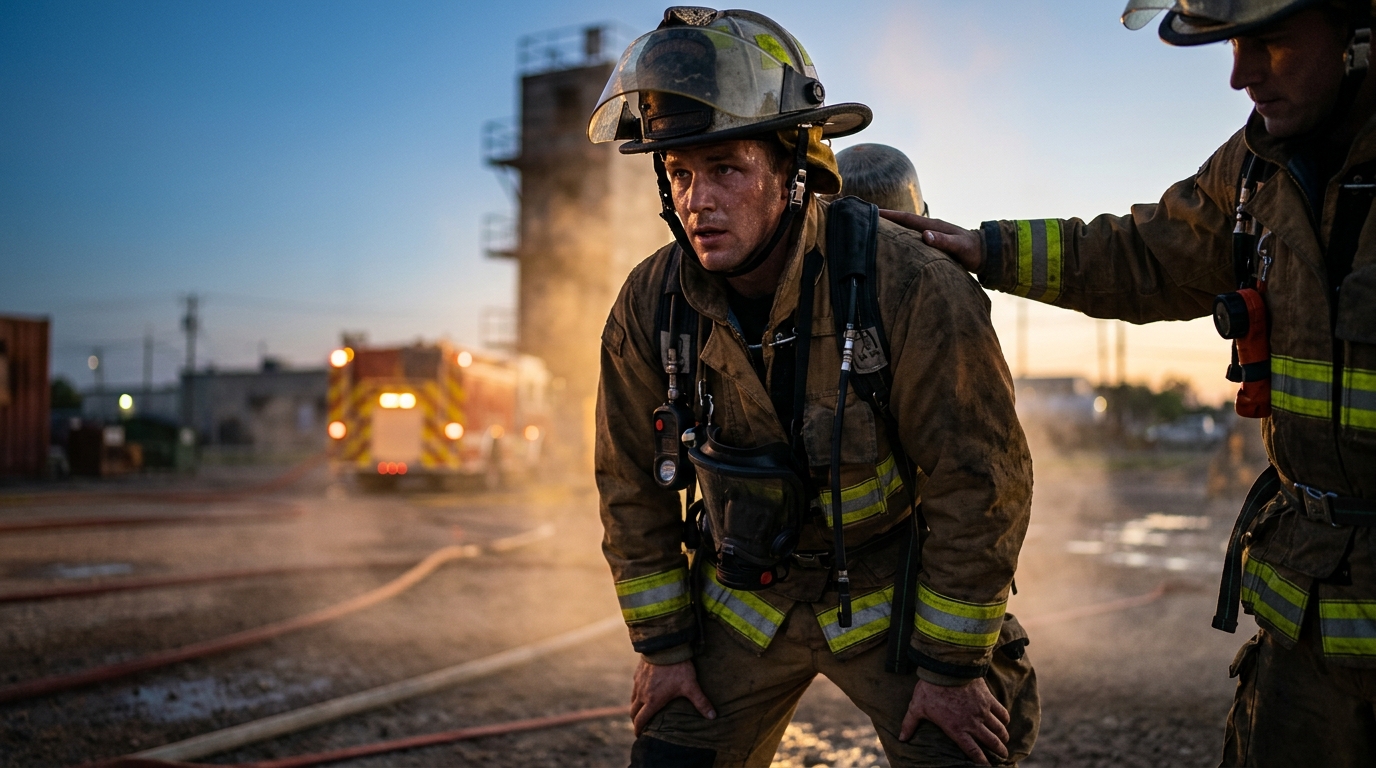
Physical readiness is not optional for first responders. It is the difference between saving a life and becoming a casualty. According to recent occupational health data, nearly 70% of firefighter injuries occur during non-fire emergency responses, highlighting the critical need for consistent, functional conditioning. This guide outlines the exact protocols used by elite training programs to help over 6,000 first responders regain their strength and confidence. We will break down the science of functional fitness, the specific demands of the job, and the actionable steps you can take today to become fit for duty and fit for life.
Understanding the Physical Demands of First Responding
First responders operate in high-stress, high-physical-load environments. The job requires a unique blend of anaerobic power for immediate tasks and aerobic endurance for sustained operations. Functional fitness is defined as the ability to perform real-world movements efficiently and safely. Unlike bodybuilding, which focuses on aesthetics, functional training prepares the body for the unpredictable nature of emergency response.
Consider the daily reality of a firefighter. You might spend hours waiting for a call, followed by minutes of intense physical exertion. This pattern places immense stress on the cardiovascular system. Without proper conditioning, the heart rate spikes dangerously high, leading to rapid fatigue and increased risk of injury. Data from the National Fire Protection Association indicates that cardiovascular disease remains a leading cause of line-of-duty deaths among firefighters. This is not just about looking strong. It is about surviving the job and returning home to your family.
The physical demands include carrying heavy gear, which can weigh over 75 pounds. You must navigate uneven terrain, climb ladders, and drag victims through smoke-filled rooms. These actions require core stability, grip strength, and explosive power. A structured program addresses these specific needs. It bridges the gap between gym strength and field performance. By focusing on compound movements, you build a resilient body that can handle the rigors of the job.
Functional Fitness vs. Isolated Strength
Many first responders make the mistake of training in isolation. They focus on single-joint exercises like bicep curls or leg extensions. While these exercises build muscle, they do not translate well to the dynamic movements required on the fireground. Compound movements are defined as exercises that engage multiple joint groups and muscle groups simultaneously. These movements mimic the natural patterns of lifting, pushing, pulling, and carrying.
Exercises like deadlifts, squats, and overhead presses are foundational. They build the posterior chain, which is crucial for lifting heavy objects off the ground. Grip strength is another critical component. You cannot drag a hose or a victim if your hands give out. Functional training prioritizes grip endurance through carries and hangs. This ensures that your hands remain strong when it matters most.
Core stability is equally important. The core is not just the abs. It includes the obliques, lower back, and pelvic floor. A strong core protects the spine during heavy lifts and awkward movements. It also improves balance and coordination. When you train functionally, you train the body as a unified system. This reduces the risk of injury and improves overall performance. It allows you to move with efficiency and power, conserving energy for the task at hand.
The Kettlebell Advantage for Firefighters
Kettlebells are the #1 tool for functional firefighter strength. Their unique center of mass creates an offset load that challenges your stabilizer muscles. This forces your body to work harder to maintain balance and control. The result is a more robust, resilient physique. Kettlebell training also improves cardiovascular fitness. The continuous, rhythmic movements elevate the heart rate, providing a potent cardio workout.
Our FREE Kettlebell Foundations Program is designed specifically for first responders. It teaches you how to unlock the full potential of the kettlebell. The program covers essential movements like the swing, the clean, and the press. These movements build explosive power and endurance. They are scalable to all fitness levels. Whether you are a rookie or a veteran, you can benefit from this approach.
The beauty of kettlebell training is its versatility. You can perform these exercises anywhere. There is no need for a commercial gym. This is ideal for first responders who often have irregular schedules. You can train at home, in the station, or on the go. The 4-Week Functional First Responder Training Program provides a structured path to mastery. It guides you through progressive overload, ensuring steady improvement. This program has helped thousands of firefighters lose weight and build functional strength.
Building Cardiovascular Endurance for Shift Work
Cardiovascular endurance is the engine of your performance. It determines how long you can sustain high-intensity effort. For first responders, this means the ability to work effectively during long shifts. It also means a faster recovery between bursts of activity. Zone 2 training is defined as aerobic exercise performed at a moderate intensity where you can maintain a conversation. This type of training builds the base of your cardiovascular fitness.
Zone 2 training improves mitochondrial density and fat oxidation. This means your body becomes more efficient at using fuel. It delays the onset of fatigue. Incorporate 3-4 sessions of Zone 2 cardio per week. Activities like running, cycling, or rowing are excellent choices. Keep the intensity low enough to sustain for 45-60 minutes. This builds the aerobic base that supports high-intensity efforts.
High-intensity interval training (HIIT) is also essential. It mimics the stop-start nature of emergency response. Short bursts of maximal effort followed by brief rest periods. This improves your anaerobic capacity and lactate threshold. It teaches your body to clear metabolic waste quickly. Combine HIIT with Zone 2 training for a balanced approach. This ensures you are prepared for any physical demand. The Online Coaching Program offers personalized guidance to optimize your cardio regimen. Coaches like Mitch help you navigate the complexities of shift work and training.
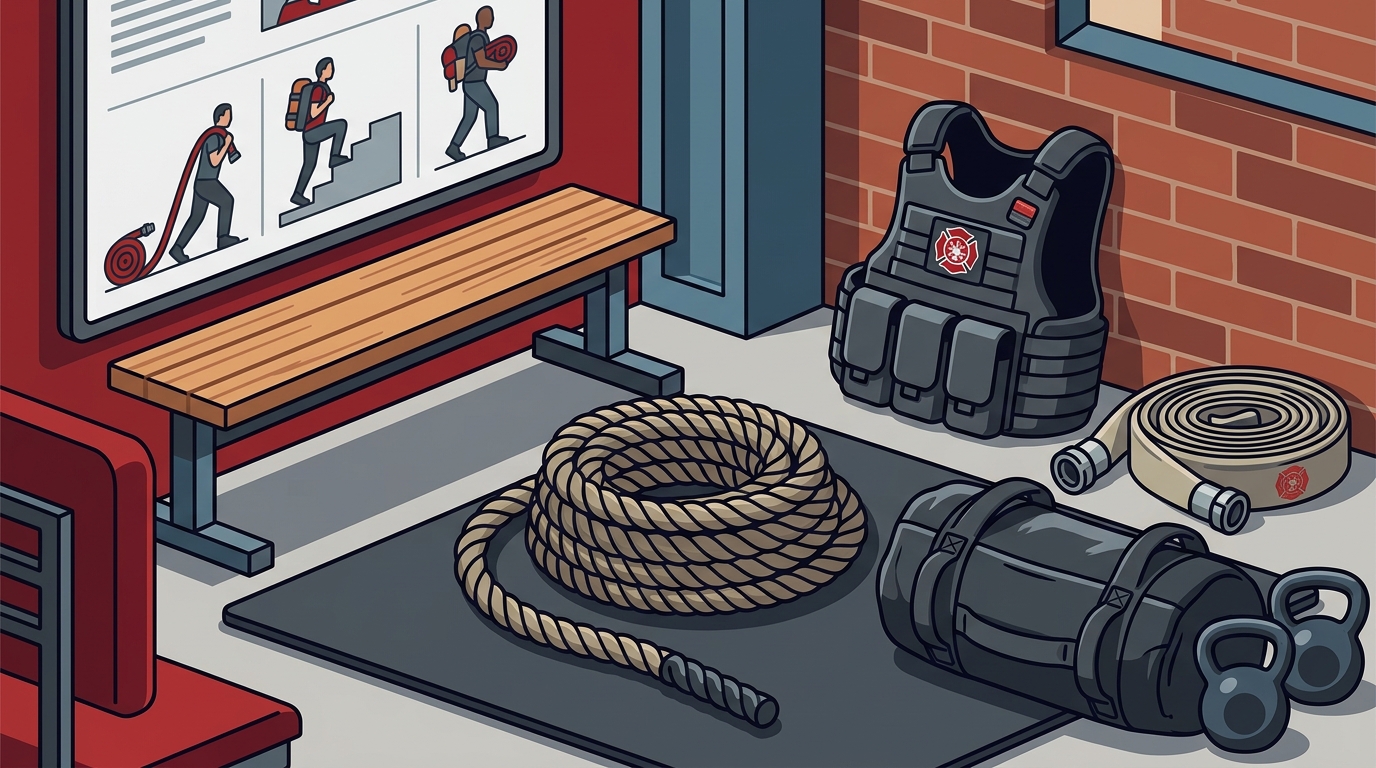
Recovery, Nutrition, and Mental Resilience
Training is only half the equation. Recovery is where the adaptation happens. Without adequate rest, your body breaks down rather than builds up. Sleep is the most powerful recovery tool. Aim for 7-9 hours of quality sleep per night. This allows your nervous system to reset and your muscles to repair. Poor sleep increases cortisol levels, which hinders fat loss and muscle growth.
Nutrition plays a vital role in performance. Fuel your body with whole, nutrient-dense foods. Prioritize lean proteins, complex carbohydrates, and healthy fats. Hydration is critical. Dehydration impairs cognitive function and physical performance. Drink water consistently throughout the day. Avoid sugary drinks and excessive caffeine. These can lead to energy crashes and jitteriness.
Mental resilience is equally important. The stress of the job can take a toll on your mental health. Mindfulness and stress management techniques can help. Meditation, deep breathing, and journaling are effective tools. They help you process traumatic events and maintain emotional balance. A strong mind supports a strong body. The Everyday Heroes Fitness community provides support and accountability. You are not alone in this journey. Join the 1,000+ first responders who have transformed their lives through our proven system.
Choosing the Right Training Path
Selecting the right training program is crucial for success. There are many options available, but not all are created equal. Some programs are generic and do not account for the specific needs of first responders. Others are too complex and difficult to follow. You need a program that is practical, effective, and sustainable.
| Program Type | Pros | Cons | Best For |
|---|---|---|---|
| 4-Week Functional Program | Quick start, structured, proven results | Time-limited, requires self-discipline | Those ready to commit immediately |
| Kettlebell Foundations | Free, versatile, builds core strength | Requires learning proper form | Beginners to kettlebell training |
| Online Coaching | Personalized, accountable, expert guidance | Higher cost, requires communication | Those seeking long-term transformation |
Our Online Coaching Program stands out for its personalized approach. Coaches like Mitch understand the unique challenges of first responder life. They provide real-time feedback and adjust your plan as needed. This ensures you stay on track and avoid plateaus. The program includes nutrition guidance, workout plans, and regular check-ins. It is designed to help you achieve lasting results. Testimonials from clients like Zach, Nathan, and Vanessa highlight the life-changing impact of this coaching. They lost weight, regained confidence, and improved their health.
Key Takeaways
- Functional Fitness is Essential: It prepares the body for the unpredictable demands of first response, reducing injury risk and improving performance.
- Kettlebells are a Top Tool: They build explosive power, endurance, and core stability, making them ideal for firefighters.
- Cardiovascular Health is Critical: Cardiovascular disease is a leading cause of line-of-duty deaths, making conditioning a priority.
- Recovery is Non-Negotiable: Sleep and nutrition are as important as training for long-term health and performance.
- Community Support Matters: Joining a program like Everyday Heroes Fitness provides accountability and proven results.
- Over 6,000 Firefighters Have Benefited: Our programs have helped thousands regain their strength and confidence.
- Start with a Free Program: The FREE Kettlebell Foundations Program is a great starting point for beginners.
Frequently Asked Questions
How often should first responders train?
Aim for 3-5 days of training per week. This includes a mix of strength training, cardio, and mobility work. Consistency is more important than intensity. Start with what you can handle and gradually increase the volume.
What is the best exercise for firefighter strength?
Compound movements like deadlifts, squats, and kettlebell swings are the most effective. They build full-body strength and functional power. Focus on proper form to maximize benefits and prevent injury.
Can I train effectively with just kettlebells?
Yes, kettlebells are a highly versatile tool. They can build strength, endurance, and power. Our FREE Kettlebell Foundations Program demonstrates how to use them effectively for first responder fitness.
How does shift work affect fitness?
Shift work disrupts sleep patterns and can lead to poor nutrition choices. It is crucial to prioritize recovery and meal prep. Our Online Coaching Program helps you navigate these challenges with personalized strategies.
What if I am not in peak shape?
Everyone starts somewhere. Our programs are scalable to all fitness levels. The 4-Week Functional First Responder Training Program is designed to meet you where you are and guide you to where you want to be.
How long does it take to see results?
Results vary based on consistency and effort. However, many clients see significant improvements in strength and endurance within 4-8 weeks. Long-term results require sustained commitment to the program.
Is online coaching effective for first responders?
Absolutely. Online coaching provides flexibility and personalized guidance. Coaches like Mitch understand the unique needs of first responders and provide tailored support. It is a proven method for achieving fitness goals.
Start Your Transformation
Do not wait for a crisis to realize the importance of your physical health. Take control of your fitness today. Join the Everyday Heroes Fitness community and discover the proven system built for first responders. Whether you choose the 4-Week Functional First Responder Training Program or the Online Coaching Program, you are taking a step towards a healthier, stronger future. Apply for coaching now and experience the difference. Fit for duty, fit for life.