
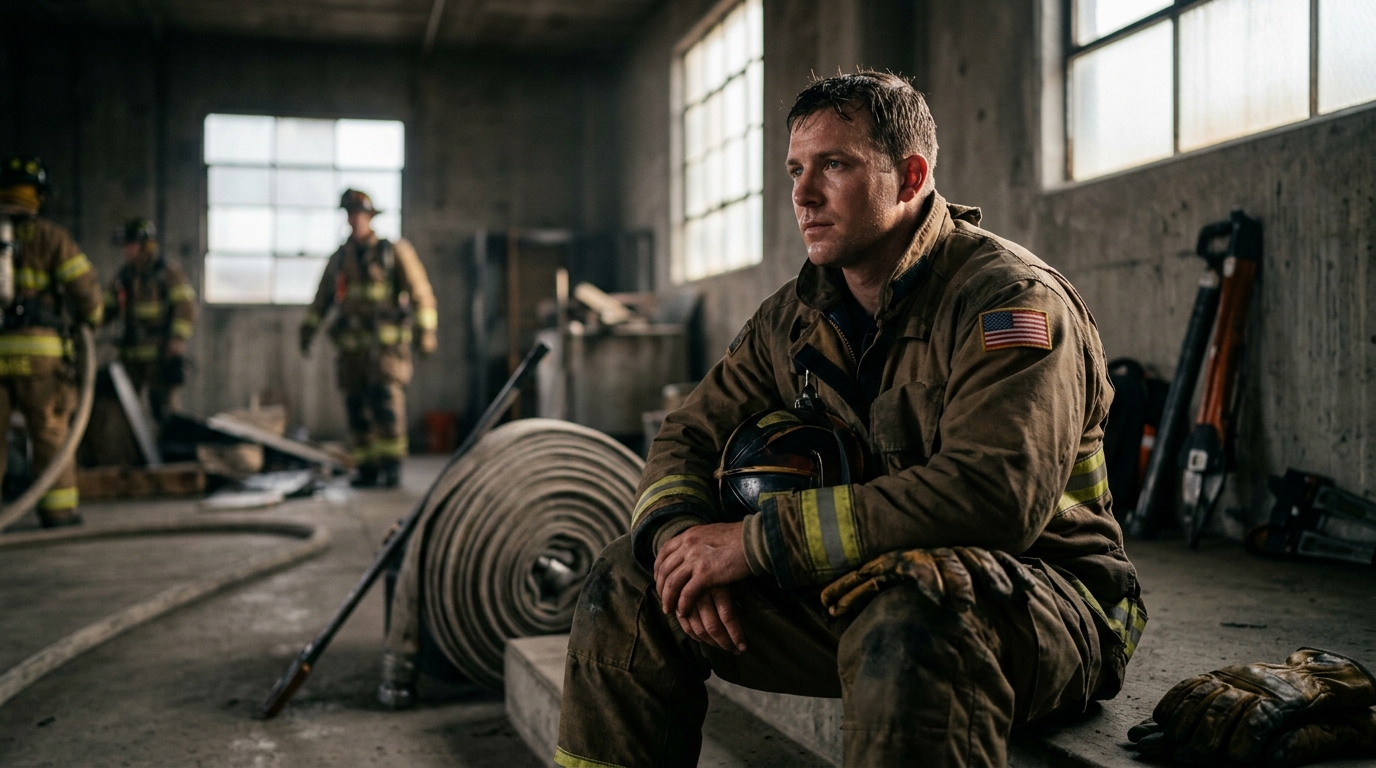
First responders face physical demands that exceed standard athletic benchmarks. According to the National Institute for Occupational Safety and Health, the average firefighter must carry over 100 pounds of gear while navigating complex structures, requiring a specific blend of anaerobic power and aerobic capacity. Generic gym routines often fail to address these unique biomechanical stresses, leading to injury and premature burnout. This guide outlines the proven methodology for building job-ready fitness.
Understanding Functional Mechanics
Functional fitness is defined as training that prepares the body for real-world movements rather than isolated muscle groups. For firefighters and paramedics, this means prioritizing compound movements that mimic the demands of the job. Lifting, dragging, and climbing require coordinated effort from the posterior chain, core, and grip strength.
Most traditional bodybuilding splits focus on aesthetics. This approach ignores the kinetic chain. When you train for aesthetics, you might build large biceps but neglect the stabilizing muscles in the shoulder blade. This imbalance leads to rotator cuff injuries, a common complaint among first responders. Functional training corrects these imbalances by engaging multiple joints simultaneously.
The goal is not just to look strong but to perform under load. This requires training the cardiovascular system to recover quickly between high-intensity bursts. This is known as anaerobic threshold training. It ensures that when you encounter a heavy victim or a long hose line, your body can sustain the effort without collapsing.
Everyday Heroes Fitness focuses on this exact principle. Their program is built specifically for the unique demands of the job. By joining their community, you gain access to a system that has helped over 1,000 first responders regain their strength and confidence. You can apply for coaching to start this journey.
The Kettlebell Advantage
Kettlebell training is widely recognized as one of the most effective tools for first responders. The offset center of gravity in a kettlebell forces the body to stabilize itself during every rep. This builds incredible core strength and grip endurance, both of which are critical for holding tools and victims.
Functional strength is defined as the ability to generate force efficiently across multiple planes of motion. Kettlebell swings, for example, train the hips to explode forward. This hip hinge pattern is identical to the movement used when lifting a patient off the ground. It protects the lower back while maximizing power output.
Many first responders struggle with time management. They do not have hours to spend in the gym. Kettlebell workouts are dense and efficient. A 20-minute session can provide a metabolic conditioning effect equivalent to an hour of steady-state cardio. This is why the Firefighter Kettlebell Foundations program is offered as a free resource. It provides a 4-day plan to unlock the full potential of this tool.
The #1 tool for functional firefighter strength is the kettlebell because it bridges the gap between strength and endurance. It does not require a gym membership or complex equipment. It can be used in a garage, a fire station, or while traveling. This accessibility makes it a staple in modern first responder training regimens.
Nutrition for Shift Work
Training is only half the equation. Nutrition for first responders must account for irregular sleep schedules and high stress levels. Shift work disrupts circadian rhythms, which directly impacts hormone regulation and fat storage. Ignoring this biological reality leads to stubborn weight gain and low energy.
Science-backed nutrition is defined as dietary strategies grounded in physiological research rather than trends. For first responders, this means prioritizing protein intake to repair muscle tissue damaged during heavy shifts. It also involves timing carbohydrate consumption to fuel workouts rather than storing them as fat during downtime.
Meal planning is often the biggest hurdle. First responders work long hours and may not have access to healthy food options at the station. Having a pre-planned strategy prevents reliance on fast food. The Online Coaching Program includes custom meal plans tailored to your specific goals. This ensures that your nutrition supports your training rather than fighting against it.
Hydration is another critical component. Dehydration reduces cognitive function and physical performance. In an emergency situation, even a 2% drop in hydration can impair decision-making. First responders must prioritize water intake throughout their shift, especially during physical exertion. This simple habit can mean the difference between a successful rescue and a compromised outcome.
Mental Resilience & Recovery
Physical fitness is inextricably linked to mental health. The stress of the job can lead to burnout, anxiety, and depression. Training provides a controlled outlet for this stress. It releases endorphins that improve mood and reduce cortisol levels. This mental clarity is essential for making split-second decisions on the fireground.
Recovery is not passive. It is an active process that includes sleep hygiene, mobility work, and stress management. Many first responders neglect recovery, viewing it as laziness. This is a dangerous misconception. Without adequate recovery, the body enters a catabolic state, breaking down muscle tissue and weakening the immune system. This increases the risk of illness and injury.
Community support plays a vital role in mental resilience. Training with others who understand the unique pressures of first responder life creates a sense of belonging. It reduces feelings of isolation and provides accountability. The 4-Week Functional First Responder Training Program offers a structured environment to build these connections. It is used by over 6,000 firefighters to improve their performance.
Mental toughness is built through consistent action. It is not an innate trait but a developed skill. By showing up for your training even when you do not feel like it, you build the discipline required for the job. This discipline translates directly to professional performance. You become more reliable, focused, and resilient under pressure.
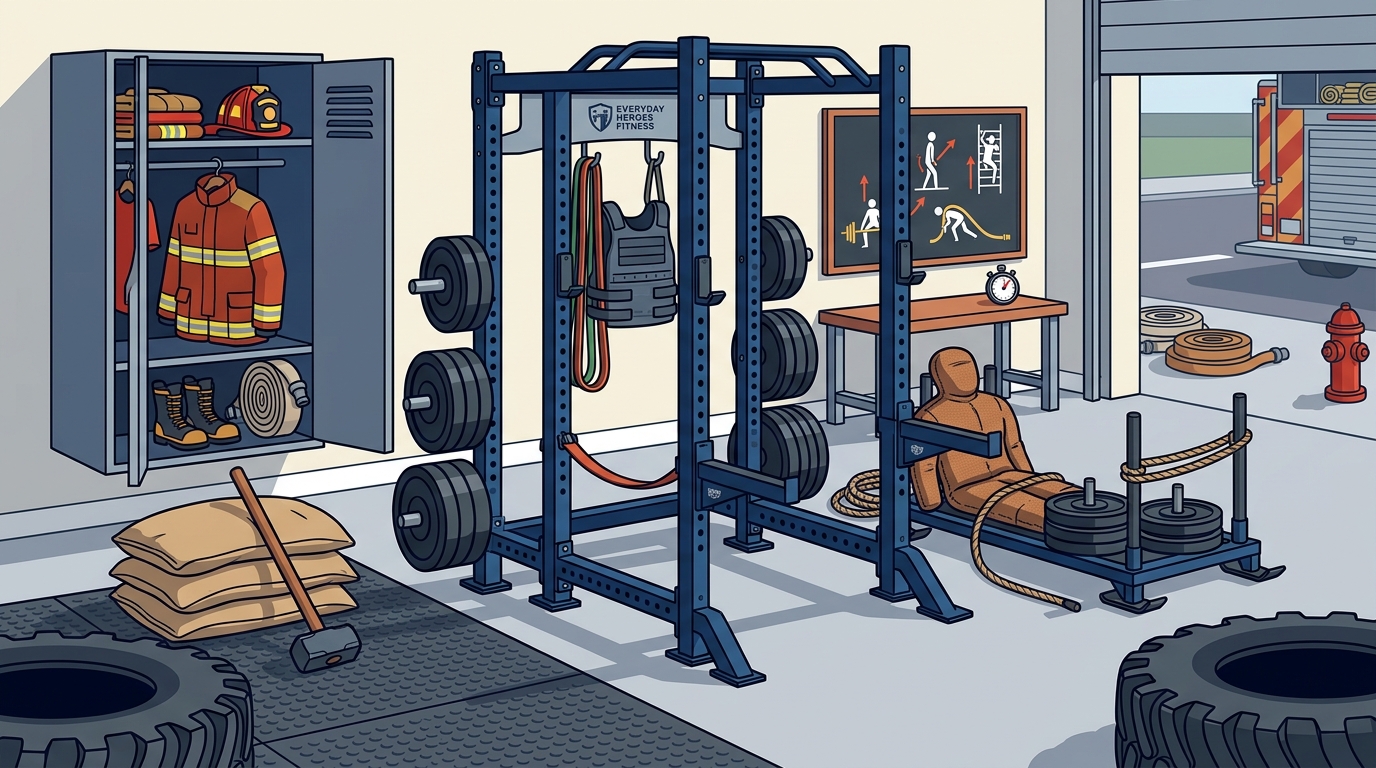
Program Options Analysis
Choosing the right fitness program is critical for long-term success. Below is a comparison of common approaches for first responders.
| Program Type | Pros | Cons | Best For |
|---|---|---|---|
| Online Coaching | Personalized plans, accountability, expert feedback | Higher cost, requires self-discipline | Those seeking rapid transformation |
| Kettlebell Foundations | Free, accessible, builds functional strength | Limited progression, no personal feedback | Beginners or budget-conscious responders |
| 4-Week Program | Short commitment, structured start | Limited long-term guidance | Those testing the waters |
| Generic Gym App | Low cost, wide variety | Not job-specific, high injury risk | General fitness enthusiasts |
Generic apps often fail to address the specific needs of first responders. They do not account for shift work or the need for functional strength. In contrast, specialized programs like those offered by Everyday Heroes Fitness are designed with these factors in mind. They provide a clear path from confusion to confidence.
Key Takeaways
- Functional Over Aesthetic: Prioritize compound movements that mimic job demands over isolated muscle training.
- Kettlebell Efficiency: Use kettlebells to build grip strength and core stability in minimal time.
- Nutrition Timing: Align meal plans with shift schedules to manage energy and body composition.
- Community Support: Engage with a network of peers to maintain accountability and mental resilience.
- Recovery is Active: Treat sleep and mobility as critical components of performance, not optional extras.
- Proven Results: Over 1,000 first responders have used this system to regain their strength and confidence.
- Accessible Tools: Free resources like the Kettlebell Foundations program provide a strong starting point.
Frequently Asked Questions
What is the best exercise for firefighter strength?
Compound movements like kettlebell swings, deadlifts, and farmer's carries are most effective. They build the posterior chain and grip strength needed for the job.
How does shift work affect fitness?
Shift work disrupts circadian rhythms, impacting hormone regulation and recovery. Nutrition and sleep strategies must be adjusted to counteract these effects.
Is online coaching effective for first responders?
Yes, online coaching provides personalized plans and accountability. It allows responders to train on their own schedule while receiving expert guidance.
What is functional fitness?
Functional fitness is training that prepares the body for real-world movements rather than isolated muscle groups. It focuses on practical strength and endurance.
How much time do I need to train?
As little as 20 to 30 minutes of high-intensity functional training can yield significant results. Consistency is more important than duration.
Can I lose weight with this program?
Absolutely. Many participants, like Zach who lost 20 pounds, report significant weight loss. The combination of functional training and nutrition support drives fat loss.
What if I am a volunteer firefighter?
The program is designed for all first responders, including volunteers. Nathan, a volunteer firefighter, lost 45 pounds and regained his confidence through the system.
Start Your Transformation
You do not have to navigate this journey alone. The system that helped Coach Mitch overcome his own challenges is now available to you. It is time to stop coasting and start showing up with purpose. Join the community of first responders who are reclaiming their health and performance.
Take the first step today. Apply for coaching or download the free Kettlebell Foundations program. Your future self will thank you for the strength and confidence you build now. Visit the Everyday Heroes Fitness homepage to learn more about how we can help you become the hero you were meant to be.