
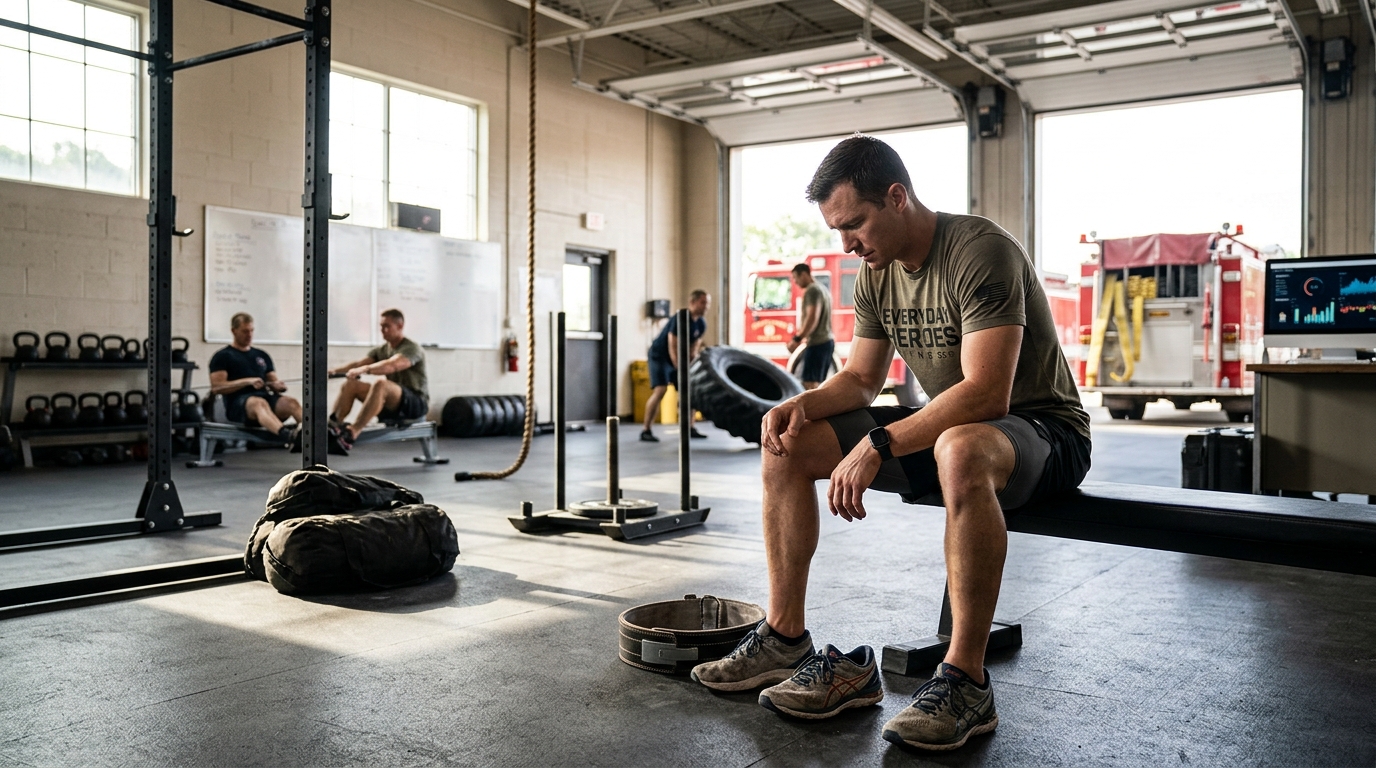
Firefighting remains one of the most physically demanding professions in the world. According to the National Fire Protection Association, the average firefighter must be capable of performing heavy labor in extreme heat while wearing 50 to 75 pounds of protective gear. This unique physiological demand creates a specific set of fitness requirements that generic gym programs simply cannot address. Evaluating a fitness program for this role requires looking beyond aesthetics to functional capacity, injury prevention, and job-specific endurance. (Online Coaching for Firefighters)
Functional Strength vs. Aesthetic Goals
When you step into a fire station, the priority is never how your biceps look in a t-shirt. The priority is whether you can lift a conscious adult out of a burning structure or drag a hose line up three flights of stairs. Many commercial fitness programs focus heavily on hypertrophy, which is the growth of muscle size. While muscle size can contribute to strength, it is not the primary driver of operational readiness.
Functional fitness is the ability to perform real-world physical tasks efficiently and safely. For a firefighter, this means training the kinetic chain rather than isolated muscles. A program that only focuses on bench presses ignores the posterior chain, which is critical for lifting and carrying. You must evaluate whether the program includes compound movements like deadlifts, squats, and overhead presses that mimic the mechanics of the job.
Everyday Heroes Fitness was built specifically for this distinction. The program does not ask you to train like a bodybuilder. It asks you to train like a first responder. This means incorporating movements that build the core stability needed to brace under heavy loads and the grip strength required to handle rough equipment. If a program cannot explain how its exercises translate to the fireground, it fails the first standard of evaluation.
Alignment with CPAT Standards
The Candidate Physical Ability Test (CPAT) is the gold standard for hiring and retention in many fire departments. It is a pass/fail exam that tests your ability to perform essential job functions. A fitness program that does not account for the CPAT is essentially preparing you for the wrong battle. The CPAT consists of eight events, including the stair climb, hose drag, forcible entry, rescue drag, and equipment carry.
Evaluating a program requires checking if it includes specific conditioning for these events. For example, the stair climb requires sustained cardiovascular output while carrying weight. A generic cardio program might improve your VO2 max, but it will not prepare your legs and back for the specific load of the CPAT. You need a program that integrates weighted stair climbing or simulated stair climbs into its routine.
Furthermore, the CPAT is not just about strength. It is about anaerobic capacity. You must be able to perform high-intensity bursts of activity followed by brief recovery periods. This mirrors the reality of a fire scene where you might sprint up stairs, drag a victim, and then immediately begin search and rescue. A program that only focuses on long-distance running will leave you gassed during the critical early minutes of an incident.
Adaptability to Shift Schedules
Firefighters do not have a standard 9-to-5 schedule. Most work 24-hour shifts, followed by 24 or 48 hours off. This irregular rhythm creates unique challenges for consistency. A program that requires you to be in a gym at 6:00 AM every day is destined to fail because you will be working or sleeping during those hours. The best fitness programs for first responders are designed to be flexible.
Look for a program that offers modular workouts. This means you can complete a session on your off-days when you have energy, or squeeze in a shorter session on your work days when time is scarce. The structure should allow you to maintain momentum regardless of your shift rotation. If a program is rigid and demands a specific weekly attendance, it is not built for the reality of first responder life.
At Everyday Heroes Fitness, we understand that your job comes first. Our coaching model is designed to fit around your schedule, not the other way around. We provide customized programming that adapts to your available time and energy levels. This flexibility is not a luxury; it is a necessity for long-term adherence and success.
Mobility and Injury Prevention
Firefighting is hard on the body. The repetitive lifting, twisting, and carrying motions can lead to chronic pain and injury if not managed properly. Many firefighters neglect mobility work, focusing only on strength. However, mobility is the foundation of longevity in this profession. Without it, strength becomes useless because you cannot move through the full range of motion required for the job.
Mobility is the ability of a joint to move actively through its full range of motion. This is distinct from flexibility, which is the passive length of a muscle. You need active mobility to control your body in tight spaces, such as crawling through smoke-filled rooms or lifting a victim through a window. A program that ignores mobility is ignoring a critical component of operational readiness.
Evaluate whether the program includes dedicated mobility sessions. These should target the hips, ankles, and thoracic spine, which are common areas of restriction for firefighters. Incorporating tools like foam rollers, resistance bands, and kettlebells can help maintain joint health. If a program does not address recovery and mobility, it is setting you up for burnout and injury.
The Role of Accountability
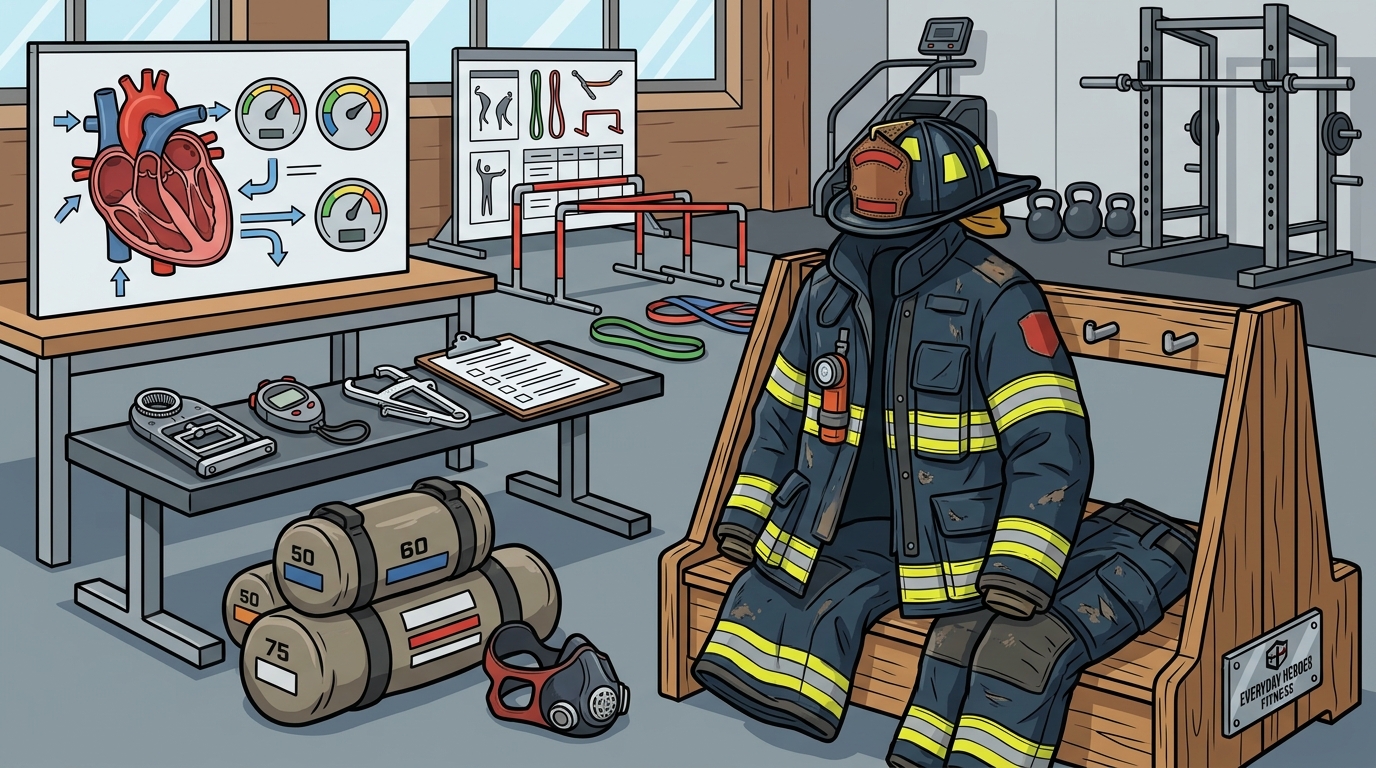
Knowing what to do is only half the battle. The other half is doing it consistently. Firefighters are used to high levels of accountability in their profession. They rely on their crew to watch their back. Fitness should be no different. A program that leaves you to figure it out on your own is likely to fail because motivation fluctuates.
Effective coaching provides a layer of accountability that self-guided programs cannot match. This includes regular check-ins, progress tracking, and personalized adjustments. When you are struggling with a workout or feeling fatigued from a long shift, a coach can help you modify the plan to keep you on track. This support system is crucial for maintaining momentum over months and years.
Additionally, the community aspect of coaching cannot be overstated. Training with other first responders who understand the unique pressures of the job creates a sense of camaraderie and shared purpose. This social support can be a powerful motivator, helping you push through tough workouts and stay committed to your goals. At Everyday Heroes Fitness, we provide access to a private community where you can connect with peers who are on the same journey.
Program Comparison Matrix
To help you evaluate your options, here is a comparison of common fitness approaches for firefighters. This matrix highlights the key differences in focus, flexibility, and support.
| Program Type | Focus | Flexibility | Accountability | Fireground Relevance |
|---|---|---|---|---|
| Generic Gym Program | Aesthetics / General Health | Low | None | Low |
| Online Self-Guided PDF | Strength / Conditioning | Medium | Self-Managed | Medium |
| CPAT Prep Bootcamp | Test Specificity | Low | High (Group) | High |
| Specialized First Responder Coaching | Functional Fitness / Longevity | High | High (1:1) | Very High |
Key Takeaways
- Functional Over Aesthetic: Prioritize programs that train the kinetic chain and mimic job-specific movements rather than focusing on muscle size.
- CPAT Alignment: Ensure the program includes conditioning for the eight events of the Candidate Physical Ability Test to ensure hiring and retention readiness.
- Shift Adaptability: Choose a program that offers modular workouts to fit around 24-hour shift schedules and irregular off-days.
- Mobility Integration: Look for dedicated mobility work targeting the hips, ankles, and thoracic spine to prevent chronic injury and maintain range of motion.
- Accountability Systems: Value 1:1 coaching and community support to maintain consistency and provide real-time adjustments to your training.
- Real-World Application: The best programs, like those found at Everyday Heroes Fitness, are built by first responders for first responders, ensuring relevance and authenticity.
Frequently Asked Questions
What is the most important factor in a firefighter fitness program?
The most important factor is functional relevance. The program must train the specific physical demands of the job, such as lifting, carrying, and sustained cardio output under load, rather than just general fitness.
How does a 24-hour shift affect fitness training?
A 24-hour shift disrupts normal sleep and recovery cycles. A good program must be flexible enough to allow workouts on off-days or during lighter work periods, rather than requiring rigid daily attendance.
What is the CPAT and why is it critical?
The Candidate Physical Ability Test is a standardized exam used by many fire departments to assess physical readiness. It includes events like the stair climb and hose drag that directly simulate fireground tasks.
Why is mobility important for firefighters?
Mobility allows joints to move through their full range of motion, which is essential for safe lifting and maneuvering in tight spaces. It prevents the chronic pain and injuries common in the profession.
Can I train for firefighter fitness at home?
Yes, but it requires a structured program that uses minimal equipment effectively. Programs like the Free Training Guides offer home-based solutions that maintain functional strength without a gym.
What is the difference between flexibility and mobility?
Flexibility is the passive length of a muscle, while mobility is the active control of a joint through its range of motion. Firefighters need active mobility to control their bodies under load.
How does coaching help with consistency?
Coaching provides accountability through regular check-ins and personalized adjustments. It helps you navigate busy shifts and fatigue, ensuring you stay on track with your goals.
What are the benefits of a private first responder community?
A private community offers peer support from individuals who understand the unique pressures of the job. This shared experience fosters motivation and camaraderie, making training more engaging.
Start Your Evaluation
Evaluating a fitness program is a critical step in your career longevity. Do not settle for generic advice that does not understand the realities of the fireground. You need a partner who speaks your language and understands your mission. Join the Online Coaching Program at Everyday Heroes Fitness to experience a system built specifically for first responders. Apply today to regain your strength, confidence, and drive.