
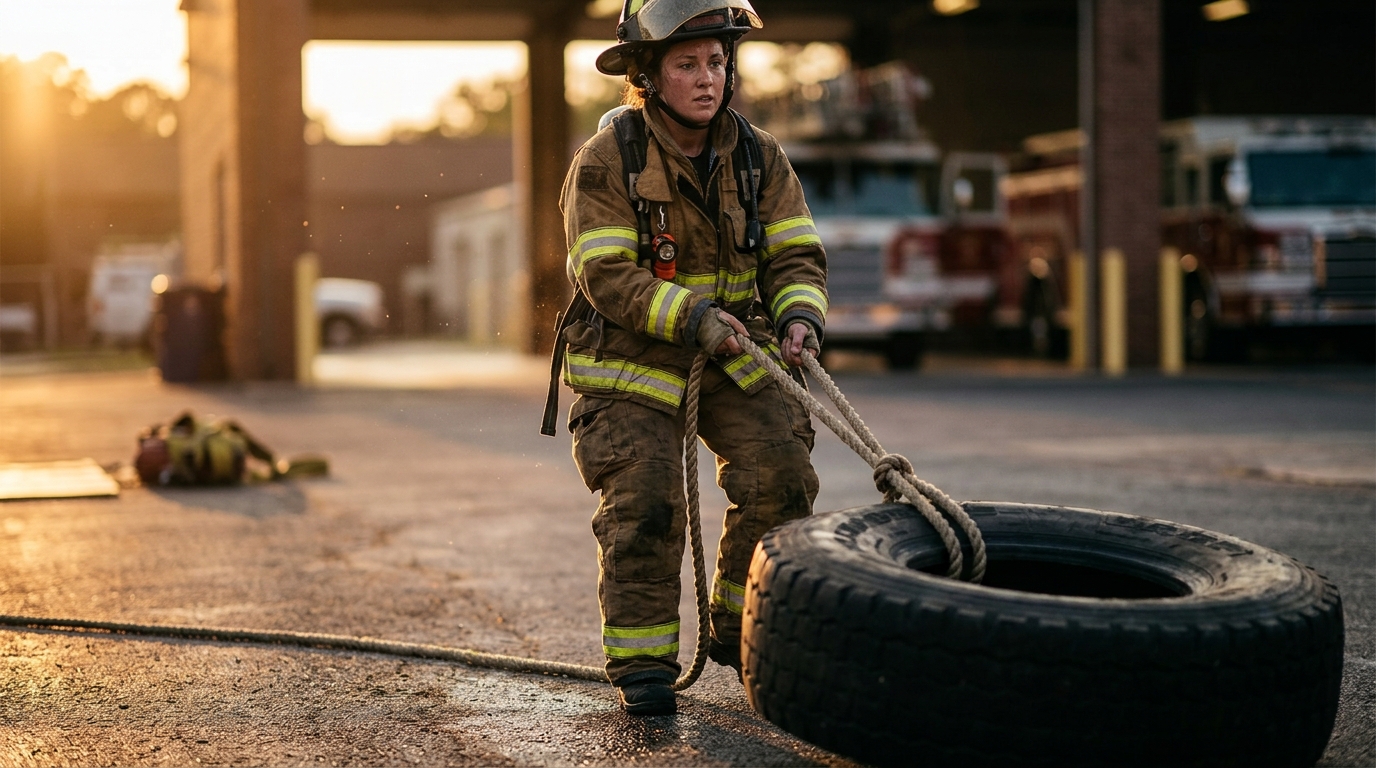
Physical readiness is not optional for first responders. It is the difference between life and death on the fireground. According to recent industry data, over 6,000 firefighters have utilized specialized functional training programs to regain their strength and confidence. This statistic highlights a critical shift in the industry. Traditional gym routines no longer suffice for the unique physical demands of emergency services. The modern firefighter must be an athlete who can carry heavy loads, climb stairs, and perform rescues under extreme stress. This guide details the exact methodologies used to build that specific type of resilience.
Understanding Functional Movement for Firefighters
Functional fitness is defined as training that mimics the real-world activities you perform in your job. For firefighters, this means moving heavy objects, dragging hoses, and climbing ladders while wearing full gear. Generic bodybuilding routines often fail because they isolate muscles rather than training them to work together. When you train functionally, you prepare your body for the chaotic nature of emergency response.
The core of this approach lies in compound movements. These are exercises that engage multiple muscle groups simultaneously. Squats, deadlifts, and overhead presses are staples. However, the intensity and duration must match the demands of the job. You are not training for aesthetics. You are training for survival and operational capability. This requires a shift in mindset from lifting weights to building work capacity.
Everyday Heroes Fitness focuses on this exact principle. Their program is built specifically for the unique demands of the job. By joining a community of over 1,000 first responders, you gain access to a proven system. This system is designed to help you regain the strength and drive that the job often strips away. The goal is to be fit for duty and fit for life.
The Kettlebell Advantage
Kettlebells are the number one tool for functional firefighter strength. They provide a unique challenge because the center of gravity is offset from the handle. This forces your stabilizer muscles to work harder than with standard dumbbells. The result is a more robust core and improved balance. These are critical attributes when you are navigating unstable environments during a rescue.
A free 4-day kettlebell foundations program is available to help you unlock the full potential of this tool. This program is designed to show you how to perform basic movements safely and effectively. It covers swings, cleans, and presses. These movements build explosive power and cardiovascular endurance simultaneously. You do not need a gym membership to start. You can begin this journey with a single piece of equipment.
The benefits extend beyond physical strength. Kettlebell training improves grip strength. This is often a limiting factor for firefighters who need to hold onto victims or equipment for extended periods. By strengthening your forearms and hands, you ensure that your grip does not fail when it matters most. This is a small detail that makes a massive difference in operational success.
Building Strength and Endurance
Firefighting is an anaerobic sport. It involves short bursts of extreme effort followed by brief recovery periods. Your training must reflect this reality. High-intensity interval training (HIIT) is essential. It mimics the heart rate spikes you experience during a call. You need to be able to perform at peak capacity even when your lungs are burning.
Strength training provides the foundation for this endurance. You cannot be strong if you are not conditioned. Conversely, you cannot be conditioned if you are not strong. The two are intertwined. A 4-week functional first responder training program can help you bridge this gap. It is used by thousands of firefighters to lose weight and build functional strength. This program is designed to change the way you train by focusing on practical outcomes.
Weight management is also a critical component. Many first responders struggle with weight gain due to the sedentary nature of station life. The combination of strength training and proper nutrition is the key to reversing this trend. You need a plan that accounts for your irregular schedule. You need a plan that fits into your life, not one that disrupts it. This is where specialized coaching becomes invaluable.
Recovery and Injury Prevention
Recovery is not just rest. It is an active part of the training process. First responders often ignore their bodies until they break down. Chronic back pain is a common complaint among firefighters. This is usually the result of poor movement patterns and accumulated fatigue. Addressing these issues proactively is essential for a long career.
Proper warm-ups and cool-downs are non-negotiable. They prepare your joints for movement and help your muscles recover. Mobility work should be integrated into your daily routine. This ensures that your range of motion is maintained. When you can move freely, you are less likely to get injured. This is especially important when you are wearing heavy protective gear.
Listening to your body is also crucial. There is a difference between discomfort and pain. Learning to recognize this distinction can save you from serious injury. If you are experiencing persistent pain, seek professional guidance. Coach Mitch at Everyday Heroes Fitness has helped many firefighters eliminate chronic back pain. His approach focuses on correcting imbalances and building resilience from the inside out.

Choosing the Right Training Path
Not all fitness programs are created equal. For first responders, generic advice is often harmful. You need a program that understands the specific physiological demands of your job. Below is a comparison of common training approaches to help you decide which path is right for you.
| Training Method | Focus | Best For | Limitations |
|---|---|---|---|
| Functional First Responder Program | Job-specific movements | Active firefighters needing operational readiness | Requires consistent effort |
| Kettlebell Foundations | Basic strength tools | Beginners looking for a free start | Limited progression without coaching |
| Online Coaching | Personalized accountability | Those needing motivation and custom plans | Higher cost than self-guided |
| Traditional Gym | Isolation exercises | General health maintenance | Does not mimic job demands |
The choice is clear if your goal is operational excellence. Generic gym routines do not prepare you for the fireground. You need a program that simulates the stress and load of your job. The Online Coaching Program offers real people and real results. It provides the accountability and expertise needed to succeed.
Key Takeaways
- Over 6,000 firefighters have used specialized functional training to improve their performance.
- Kettlebells are the primary tool for building functional strength and grip endurance.
- Functional fitness mimics real-world job demands rather than focusing on aesthetics.
- Recovery and mobility work are essential for preventing chronic back pain.
- High-intensity interval training builds the anaerobic capacity needed for emergency response.
- Online coaching provides accountability and personalized plans for busy first responders.
- Everyday Heroes Fitness has helped over 1,000 first responders regain their confidence.
Frequently Asked Questions
What is the best type of exercise for firefighters?
Functional fitness is the best type of exercise for firefighters. It focuses on compound movements that mimic job tasks. This includes lifting, carrying, and climbing. It prepares your body for the specific demands of the fireground.
How can I improve my grip strength for firefighting?
Kettlebell training is highly effective for improving grip strength. Exercises like swings and cleans force your hands to work harder. This builds the forearm muscles needed to hold onto equipment and victims.
Is online coaching effective for first responders?
Yes, online coaching is highly effective. It provides personalized plans and accountability. Many first responders find it easier to stick to a program when they have a coach guiding them. It fits into their irregular schedules.
What is the Functional First Responder Program?
The Functional First Responder Program is a 4-week training plan designed specifically for firefighters. It focuses on losing weight and building functional strength. It is used by thousands of firefighters to improve their performance.
How do I prevent back pain as a firefighter?
Preventing back pain requires proper mobility work and core strengthening. You must address muscle imbalances before they become injuries. Regular recovery sessions and professional guidance can help eliminate chronic pain.
Can I lose weight while working as a first responder?
Yes, weight loss is possible with the right plan. The key is combining functional training with proper nutrition. Many first responders have lost significant weight using specialized programs. It requires consistency and accountability.
What is the Kettlebell Foundations Program?
The Kettlebell Foundations Program is a free 4-day plan. It teaches you how to use kettlebells effectively. It is designed to unlock the full potential of this tool for functional strength.
Start Your Transformation
Your career depends on your physical readiness. Do not wait for an injury to change your approach. Join the community of first responders who have transformed their lives through functional fitness. Apply for coaching today and take the first step toward being fit for duty and fit for life. Visit the Online Coaching Program page to learn more. You can also start with the FREE Kettlebell Foundations Program to build your base. The 4-Week Functional First Responder Training Program is also available for immediate signup. Your future self will thank you for the effort you put in today.